How to do a basic Power Socket Installation safety check and quick fixes
Want this done properly without the hassle?
Aap DIY try kar sakte hain, lekin agar time nahi ya confidence kam ho, to professional bula lena better hota hai. Galat step se damage ya safety issue ho sakta hai.
Quick answer (read this first)
- Always turn off the main power supply first.
- Visually inspect for burn marks, cracks, or damage.
- Check and tighten any loose wire connections.
- Verify proper grounding is in place.
- Test with a voltage tester before touching anything.
Safety first
- ALWAYS turn off the main circuit breaker for the socket or the entire house before starting.
- Verify power is off with a voltage tester before touching anything.
- Never touch exposed wires with bare hands.
- Use only insulated tools for electrical work.
- Ensure your hands and the work area are dry.
- Do not attempt fixes if you are unsure or uncomfortable.
- Avoid overloading sockets with too many appliances.
Tools you may need
- Screwdriver set (flathead and Phillips)
- Non-contact voltage tester or multimeter
- Insulated pliers/wire strippers
- Flashlight (for visibility)
- Electrical insulating tape (for minor repairs only)
Step-by-step
Step 1
Locate your main circuit breaker and switch off the power to the relevant socket or the entire area. Use a voltage tester to confirm no power is present at the socket.
Step 2
Carefully unscrew and remove the outer faceplate of the power socket, keeping screws in a safe place.
Step 3
Visually inspect all visible wiring for signs of damage such as fraying, discoloration, burn marks, or melted plastic around the socket body and wires.
Step 4
Gently tug on each wire connected to the socket’s terminals. If any wire feels loose, carefully tighten its corresponding screw. Do not overtighten.
Step 5
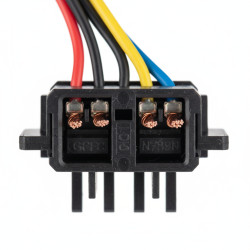
Confirm that the grounding wire (typically green or bare copper) is securely connected to the grounding terminal (usually a green screw or dedicated bar).
Step 6
Examine the socket outlets themselves for any cracks, deformities, loose prongs, or signs of charring. Test if a plug inserts and holds firmly.
Step 7
After completing checks and minor safe fixes, carefully reattach the faceplate. Restore power at the circuit breaker and test the socket with a known working appliance.
Common mistakes
- Beginning work without first turning off the main power supply.
- Over-tightening terminal screws, which can strip wires or damage the socket.
- Ignoring minor signs of trouble such as slight discoloration, buzzing sounds, or warmth.
- Attempting complex repairs without sufficient knowledge or experience.
- Using non-insulated tools for electrical inspections or fixes.
- Failing to verify power is off with a voltage tester.
When to call a professional
- You discover extensive burn marks, melted plastic, or severe wire damage.
- The power socket repeatedly trips the circuit breaker or causes sparks, smoke, or a burning smell.
- You encounter multiple loose, exposed, or corroded wires you’re uncomfortable addressing.
- The problem persists even after performing basic safety checks and quick fixes.
- You require a new power socket installation, major wiring modifications, or if you feel any discomfort or uncertainty about the repair.
Want this done properly without the hassle?
Aap DIY try kar sakte hain, lekin agar time nahi ya confidence kam ho, to professional bula lena better hota hai. Galat step se damage ya safety issue ho sakta hai.