How to troubleshoot Pressure Motor Installation issues at home
Want this done properly without the hassle?
Aap DIY try kar sakte hain, lekin agar time nahi ya confidence kam ho, to professional bula lena better hota hai. Galat step se damage ya safety issue ho sakta hai.
Starting from
Rs. 500
Quick answer (read this first)
- Check main power supply and motor switch.
- Inspect all electrical wiring connections.
- Verify water inlet and outlet flow.
- Look for and clear any airlocks in the system.
- Examine pressure switch settings and function.
- Listen for unusual motor noises or behavior.
Safety first
- Always turn off main power at the circuit breaker before starting any work.
- Wear insulated gloves and use insulated tools to prevent electric shock.
- Do not touch exposed wires; ensure the circuit is fully de-energized.
- Ensure the work area is completely dry to avoid electrical hazards.
- Never attempt repairs beyond your skill level; call a qualified professional immediately.
Tools you may need
- Multimeter/Voltage Tester
- Screwdriver set (flathead and Phillips)
- Adjustable wrench
- Pliers
- Electrical tape
- Wire stripper/cutter
Step-by-step
Step 1
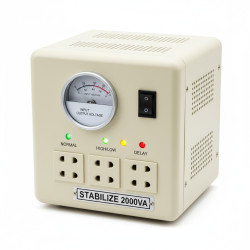
- Verify Power Supply: Confirm the main power switch for the motor is ON and inspect the circuit breaker for any trips. Use a voltage tester to confirm electricity reaches the motor’s terminal box.
Step 2
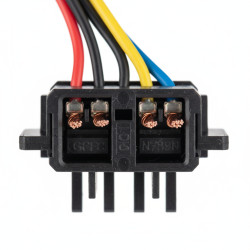
- Examine Electrical Wiring: With the power OFF, visually inspect all electrical connections for looseness, corrosion, or damage. Secure any loose wires and replace damaged ones if necessary.
Step 3
- Assess Water Flow: Ensure there is an adequate water supply to the motor’s inlet. Check for blockages in both inlet and outlet pipes and confirm all relevant valves are fully open.
Step 4
- Clear Airlocks: Air trapped in the pipes or pump can prevent it from working efficiently. Bleed the air from the pump by opening the air vent screw or following your motor’s specific priming procedure.
Step 5
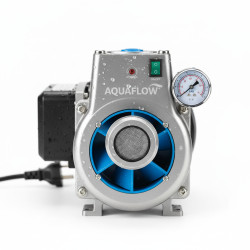
- Inspect Pressure Switch: Verify that the pressure switch is set correctly and is not stuck. Gently tap the switch to see if it dislodges, or adjust the pressure settings according to your motor’s specifications.
Step 6
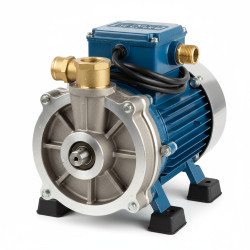
- Observe Motor Behavior: Briefly turn on the power and listen for unusual noises like humming without movement, grinding, or excessive vibration. Such sounds often indicate a mechanical fault or seized components.
Common mistakes
- Forgetting to turn off the main power supply before any inspection or repair.
- Ignoring loose, corroded, or damaged electrical wiring connections.
- Not checking for air in the water system, which can cause airlocks.
- Incorrectly setting or adjusting the pressure switch, leading to improper operation.
- Overlooking simple solutions such as closed water valves or a lack of water supply.
When to call a professional
- If the motor hums but fails to start or pump water effectively.
- If you observe visible water leaks from the motor unit or associated piping.
- If you notice electrical sparks, burning smells, smoke, or other severe electrical faults.
- If you are unsure about any electrical troubleshooting steps or feel unsafe performing them.
- If the issue persists after performing all basic checks and troubleshooting steps.
Want this done properly without the hassle?
Aap DIY try kar sakte hain, lekin agar time nahi ya confidence kam ho, to professional bula lena better hota hai. Galat step se damage ya safety issue ho sakta hai.
Starting from
Rs. 500
100% Money Back Guarantee
If you are not satisfied with the service