How to do a basic Ro Plant Installation safety check and quick fixes
Want this done properly without the hassle?
Aap DIY try kar sakte hain, lekin agar time nahi ya confidence kam ho, to professional bula lena better hota hai. Galat step se damage ya safety issue ho sakta hai.
Quick answer (read this first)
- Check for leaks around fittings.
- Inspect electrical connections for damage.
- Ensure filters are not expired.
- Listen for unusual noises.
- Verify water pressure.
Safety first
- Always unplug the RO plant before any inspection or repair.
- Never touch live electrical wires; call a professional for electrical issues.
- Wear gloves if handling dirty filters.
- Turn off the main water supply before opening any water lines.
- Do not attempt complex electrical repairs yourself.
Tools you may need
- Screwdriver (Phillips and Flathead)
- Wrench (adjustable or specific for fittings)
- Flashlight
- Teflon tape
- Bucket or cloth for spills
- Replacement filters (if needed)
Step-by-step
Step 1
Disconnect Power & Water Supply: Unplug the RO plant and close its main water inlet valve.
Step 2
Inspect for Visible Leaks: Carefully check all tubing, connectors, and filter housings for water drips or moisture.
Step 3
Examine Electrical Connections (Power Off): Inspect the power cord for damage and confirm the plug is secure. Do NOT touch internal wiring.
Step 4
Check Filter Housings & Cartridges: Ensure filter housings are tightly sealed. Note the installation or replacement date; plan for replacement if expired.
Step 5
Verify Water Pressure & Flow: Slowly reopen the water supply. Observe the RO plant for normal pressure and consistent purified water flow.
Step 6
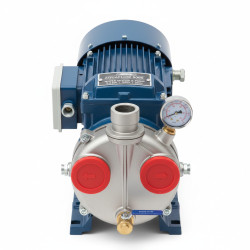
Listen for Unusual Noises: With power restored, listen for any grinding, vibrating, or abnormal sounds from the pump or motor.
Step 7
Tighten Minor Leaks (If Safe): If small leaks are found, carefully tighten connections with a wrench. Use Teflon tape for threaded connections if necessary.
Common mistakes
- Ignoring small leaks, which can lead to bigger damage.
- Attempting electrical repairs without proper knowledge or tools.
- Not turning off power and water before inspection.
- Over-tightening fittings, which can cause cracks.
- Using incorrect replacement filters.
- Delaying filter changes, impacting water quality and system strain.
When to call a professional
- Persistent leaks after minor tightening.
- Any visible damage to electrical wiring or components.
- RO plant not turning on or producing water.
- Significant drop in water pressure or output.
- Unusual loud noises from the pump or motor.
- You are unsure about any step or repair.
Want this done properly without the hassle?
Aap DIY try kar sakte hain, lekin agar time nahi ya confidence kam ho, to professional bula lena better hota hai. Galat step se damage ya safety issue ho sakta hai.