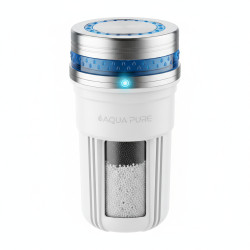
How to Troubleshoot Shower Filter Installation Issues at Home
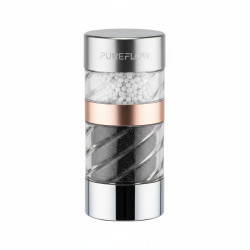
Want this done properly without the hassle?
Aap DIY try kar sakte hain, lekin agar time nahi ya confidence kam ho, to professional bula lena better hota hai. Galat step se damage ya safety issue ho sakta hai.
Quick answer (read this first)
- Check for loose connections and tighten them properly.
- Ensure all washers and gaskets are correctly seated and undamaged.
- Verify the filter’s flow direction matches your water supply.
- Flush the filter thoroughly as per manufacturer instructions after installation.
Safety first
- Always turn off the main water supply to the area before attempting any repairs.
- Use the correct tools and avoid excessive force to prevent damage to plumbing fixtures.
- Do not overtighten connections; this can strip threads or crack plastic fittings.
- Wear protective gloves if handling sealants, pipe dope, or during extended work.
Tools you may need
- Adjustable wrench or suitable pliers
- Thread seal tape (PTFE tape)
- Small bucket or absorbent towels for drips
- Flashlight (for improved visibility in tight spaces)
- Replacement washers/gaskets (if needed)
Step-by-step
Step 1
Turn Off Water Supply: Locate and completely shut off the main water supply valve to your bathroom or entire house to prevent flooding.
Step 2
Inspect for Visible Leaks: Carefully examine all connections of the shower filter for any drips, wet spots, or signs of water leakage, noting their exact location.
Step 3
Check Connection Tightness: Gently attempt to tighten all threaded connections using an adjustable wrench or pliers. Ensure they are snug, but be cautious not to overtighten.
Step 4
Verify Gaskets and Washers: Disconnect the filter from the shower arm. Inspect all rubber washers and gaskets to ensure they are present, properly seated, and free from damage. Replace any worn or missing seals.
Step 5
Reapply Thread Seal Tape: For persistent leaks from threaded connections, clean the threads thoroughly. Wrap new thread seal tape clockwise around the shower arm threads 3-5 times before reattaching the filter.
Step 6
Confirm Filter Orientation: Ensure the shower filter is installed in the correct direction, aligning with the water flow as indicated by arrows or markings on the filter body.
Step 7
Flush the System: Slowly turn the main water supply back on. Let water run through the shower for several minutes to flush out any air, debris, or carbon dust from the new filter.
Step 8
Monitor for Remaining Leaks: After flushing, observe all connections closely for at least 5-10 minutes to confirm that all leaks have been resolved and water flows smoothly without issues.
Common mistakes
- Insufficient or improperly applied thread seal tape on connections.
- Overtightening connections, which can strip threads or crack fittings.
- Installing the shower filter backward, obstructing water flow.
- Forgetting to install or damaging rubber washers/gaskets during assembly.
- Not flushing the filter before first use, leading to initial discolored or cloudy water.
When to call a professional
- If leaks persist or worsen despite following all troubleshooting steps diligently.
- If you accidentally damage existing plumbing fixtures while attempting to fix the filter.
- If you are uncertain about the root cause of the problem or how to proceed safely.
- If your main water supply valve is stuck, damaged, or cannot be safely turned off.
- If the issue involves complex plumbing beyond basic shower filter connections.
Want this done properly without the hassle?
Aap DIY try kar sakte hain, lekin agar time nahi ya confidence kam ho, to professional bula lena better hota hai. Galat step se damage ya safety issue ho sakta hai.