How to do a basic Smd Downlight Installation safety check and quick fixes
Want this done properly without the hassle?
Aap DIY try kar sakte hain, lekin agar time nahi ya confidence kam ho, to professional bula lena better hota hai. Galat step se damage ya safety issue ho sakta hai.
Quick answer (read this first)
- Check for loose connections if a downlight flickers.
- Replace faulty LED drivers if lights dim or don’t turn on.
- Ensure proper ventilation around downlights to prevent overheating.
- Verify correct wattage matching between the downlight and its driver.
Safety first
- ALWAYS turn off the main circuit breaker for the affected area before starting work.
- Use insulated tools to avoid electric shocks.
- Never touch bare wires with wet hands or while standing in water.
- Ensure the workspace is dry and well-lit.
- If you are unsure about any step, stop immediately and call a professional.
Tools you may need
- Insulated screwdriver set (flathead and Phillips)
- Voltage tester (or multimeter)
- Pliers/wire stripper
- Ladder (if downlights are high)
- Electrical tape
Step-by-step
Step 1
Turn off power at the main circuit breaker for the downlight’s area. Use a voltage tester to confirm no power at the fixture.
Step 2
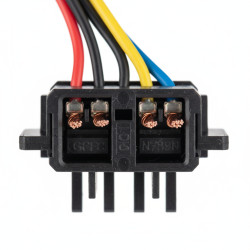
Carefully remove the downlight from its housing. Inspect all wiring connections for looseness, corrosion, or signs of damage like charring.
Step 3
Examine the LED driver unit connected to the downlight. Look for signs of burning, bulging, or liquid leakage from its casing.
Step 4
Confirm the wattage of your SMD downlight matches the output wattage specified on its LED driver. Mismatched wattages cause flickering or early failure.
Step 5
Gently tug on each wire connection to ensure security. Re-strip and securely re-connect any loose wires, using electrical tape for exposed sections.
Step 6
Clean any dust or debris from the downlight and its housing to improve ventilation. Carefully reinstall the downlight, then restore power to test its functionality.
Common mistakes
- Forgetting to turn off the main power supply before beginning work.
- Using an LED driver with incorrect wattage for the downlight.
- Leaving loose or exposed wire connections which can be hazardous.
- Ignoring signs of overheating, such as discolored light housing or ceiling.
- Over-tightening terminal screws, which can damage wires or the fixture.
When to call a professional
- If you detect burning smells, see smoke, or notice sparks from the downlight or wiring.
- If wires appear severely damaged, frayed, or show signs of melting.
- If you are uncomfortable or unsure about performing any electrical work yourself.
- If the problem persists after you’ve completed basic safety checks and quick fixes.
- For new downlight installations, complex wiring issues, or a complete circuit failure.
Want this done properly without the hassle?
Aap DIY try kar sakte hain, lekin agar time nahi ya confidence kam ho, to professional bula lena better hota hai. Galat step se damage ya safety issue ho sakta hai.