How to Troubleshoot Sofa Cleaning Issues at Home
Want this done properly without the hassle?
Aap DIY try kar sakte hain, lekin agar time nahi ya confidence kam ho, to professional bula lena better hota hai. Galat step se damage ya safety issue ho sakta hai.
Quick answer (read this first)
- Always test cleaning solutions on an inconspicuous area first.
- Blot, don’t rub, to prevent spreading stains and damaging fabric.
- Ensure thorough ventilation to prevent mildew and odors.
- Address spills immediately for the best chance of successful stain removal.
- Confirm your sofa’s fabric type and care code before applying any cleaner.
Safety first
- Wear gloves to protect hands from cleaning agents.
- Ensure excellent ventilation by opening windows to avoid inhaling fumes.
- Keep children and pets away from cleaning areas and chemicals.
- Never mix different cleaning products unless explicitly instructed, as it can create dangerous reactions.
- Unplug any electrical appliances like vacuum cleaners when not in active use or during maintenance.
Tools you may need
- Vacuum cleaner with upholstery attachment
- Soft brushes or microfiber cloths
- Mild dish soap or upholstery cleaner (fabric appropriate)
- White vinegar
- Baking soda
- Spray bottle
- Clean towels or absorbent cloths
- Bucket of water
- Distilled water
Step-by-step
Step 1
Re-assess Sofa Fabric and Identify the Specific Issue: Before attempting any fix, re-check your sofa’s care tag (W for water-safe, S for solvent-only, X for vacuum-only, WS for both). Clearly identify the problem: is it a lingering stain, a water mark, dullness, or an odor?
Step 2
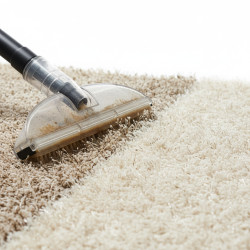
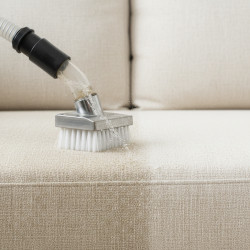
Pre-clean the Affected Area: Use a vacuum cleaner with an upholstery attachment to thoroughly remove all loose dirt, dust, and any residue from the problem area and surrounding fabric. This prevents grinding particles further in.
Step 3
Troubleshoot Water Stains or Rings: For water-safe (W, WS) fabrics, lightly dampen a clean, white microfiber cloth with distilled water. Gently wipe the entire affected panel from seam to seam to blend moisture evenly and prevent new water rings from forming. Allow to air dry completely.
Step 4
Address Persistent Stains on Water-Safe Fabrics: For stubborn stains on W or WS coded fabrics, create a foam by mixing a tiny amount of mild dish soap with water. Apply only the foam to the stain, blot gently with a clean cloth, then use a separate damp cloth to blot and rinse, ensuring all soap residue is removed.
Step 5
Treat Persistent Stains on Solvent-Only Fabrics: For S-coded fabrics, use a commercial solvent-based upholstery cleaner specifically designed for such materials. Apply the cleaner to a clean white cloth, then gently blot the stain, working from the outside in. Never apply directly to the sofa and always follow product instructions rigorously.
Step 6
Eliminate Lingering Odors and General Dullness: Sprinkle a generous, even layer of baking soda over the affected area (or the entire sofa for overall freshness). Let it sit for several hours (ideally overnight) to effectively absorb odors and any minor residues, then vacuum thoroughly.
Step 7
Ensure Complete and Even Drying: Proper drying is paramount to prevent mold, mildew, unpleasant smells, and re-staining. Open windows for good ventilation or use a fan to accelerate the drying process. Do not use the sofa until it is completely dry to the touch, which may take several hours.
Step 8
Final Inspection and Cautious Repetition: Once the sofa is fully dry, inspect the treated area under good lighting. If the issue persists, you may carefully repeat the relevant troubleshooting step, ensuring you do not over-saturate the fabric. If problems persist, consider professional help.
Common mistakes
- Rubbing stains vigorously instead of blotting, which pushes the stain deeper into the fabric and can damage fibers.
- Using too much water, leading to saturation, potential mold growth, unpleasant odors, and noticeable water marks.
- Ignoring the sofa’s fabric care label (W, S, X, WS codes), which can result in irreversible damage to the upholstery.
- Mixing different cleaning products without understanding their chemical compatibility, which can create dangerous fumes or fabric damage.
- Not allowing the sofa to dry completely before use, leading to mildew, lingering odors, and potential re-soiling.
- Forgetting to vacuum the sofa thoroughly before applying any wet cleaning solutions, which traps dirt and dust.
- Applying cleaning solution directly to the sofa instead of to a clean cloth, which can over-saturate and leave residues.
When to call a professional
- If the sofa is made of delicate, antique, very expensive, or unique fabric that requires specialized care.
- When dealing with large, deeply set, stubborn, or unknown stains that do not respond to cautious home remedies.
- If previous DIY cleaning attempts have inadvertently worsened the problem or caused new damage like discoloration or fabric distortion.
- For comprehensive deep cleaning and sanitization, especially to address pet odors, severe allergens, or potential bacterial issues.
- If you are uncertain about the specific fabric type, its care instructions, or the most appropriate and safe cleaning method.
- When you lack the specialized tools, equipment, or professional-grade products required for effective and safe cleaning.
Want this done properly without the hassle?
Aap DIY try kar sakte hain, lekin agar time nahi ya confidence kam ho, to professional bula lena better hota hai. Galat step se damage ya safety issue ho sakta hai.