How to do a basic Sofa Leg Replacement safety check and quick fixes
Want this done properly without the hassle?
Aap DIY try kar sakte hain, lekin agar time nahi ya confidence kam ho, to professional bula lena better hota hai. Galat step se damage ya safety issue ho sakta hai.
Quick answer (read this first)
- Check all sofa legs regularly for any signs of wobbling, looseness, or damage.
- Tighten any visible screws or bolts using the correct tools to secure loose connections.
- For minor wobbles, use shims or wood glue between the leg and frame to stabilize.
- Always verify the sofa’s complete stability and safety after making any adjustments or fixes.
Safety first
- Always get assistance when tilting or lifting a heavy sofa. Incorrect lifting can cause serious injury or damage to the sofa.
- Clear the workspace around the sofa to prevent tripping hazards and allow for safe movement.
- Wear protective gloves to guard against splinters, sharp edges, or old fasteners.
- Never place your hands or body parts under an unstable or unsupported sofa. Ensure it is securely propped before working beneath it.
- If at any point the sofa feels too heavy, unstable, or the damage seems severe, stop and call a professional carpenter.
Tools you may need
- Screwdriver set (Phillips and flathead)
- Adjustable wrench or socket set
- Pliers
- Small wooden shims or strong cardboard pieces
- Strong wood glue (e.g., UHU, Fevicol)
- Flashlight for visibility under the sofa
- Protective gloves
Step-by-step
Step 1
Prepare the Sofa Safely: Ask for help to gently tilt the sofa onto its side or back. Ensure the sofa is completely stable and securely propped to prevent it from tipping over. Place old blankets or cardboard under the sofa to protect both the furniture and your floor.
Step 2
Conduct a Thorough Visual Inspection: Carefully examine each sofa leg for any visible damage like cracks, splits, or breaks. Check the leg’s connection point to the sofa frame for any signs of stress or separation. Inspect glides or protective pads at the bottom of the legs; ensure none are missing or excessively worn.
Step 3
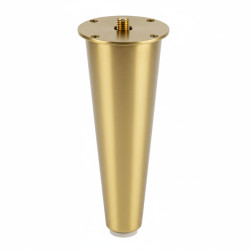
Identify Leg Attachment Type: Locate how each leg is attached to the sofa frame. Common methods include direct screws, bolts, or a metal plate with multiple fasteners. Use a flashlight to get a clear view of the attachment mechanism.
Step 4
Tighten Loose Fasteners: If you find any loose screws or bolts, select the correct size screwdriver or wrench. Carefully tighten them clockwise until snug. Avoid overtightening, as this can strip threads or damage the wood.
Step 5
Stabilize Wobbly Legs with Shims/Glue: For legs that still wobble after tightening, gently pry open the gap between the leg and frame. Insert small wooden shims or folded cardboard pieces into the gap to create a tighter fit. Apply a small amount of strong wood glue around the attachment area for added reinforcement, then re-tighten. Wipe away any excess glue immediately.
Step 6
Replace Worn Glides or Pads: If bottom glides or pads are damaged or missing, carefully remove them. Attach new, appropriate-sized glides or pads. This protects your floor and allows for smoother movement.
Step 7
Final Stability Check: With assistance, carefully lower the sofa back into its upright position. Push down firmly on various sections of the sofa and gently try to rock it from side to side. Ensure all legs are now firm, stable, and show no signs of wobbling or instability before using the sofa.
Common mistakes
- Failing to inspect all sofa legs, focusing only on the visibly loose one, which can lead to future problems.
- Overtightening screws or bolts, which can strip the wood or metal threads, making the connection weaker.
- Using the wrong tools, potentially stripping screw heads or damaging the sofa’s leg components.
- Ignoring deeper structural issues like a cracked sofa frame, where a simple leg fix is insufficient.
- Attempting to lift or tilt a heavy sofa alone, risking personal injury or further damage to the furniture.
When to call a professional
- If the sofa’s internal frame is cracked, broken, or severely damaged near the leg attachment points.
- When a sofa leg is completely snapped off, requiring specialized tools or complex carpentry for proper reattachment.
- If, after performing the quick fixes, the sofa remains unstable or you cannot identify the source of the wobble.
- When the sofa is exceptionally heavy, large, or awkwardly shaped, making it unsafe to handle without professional help.
- If you lack the necessary tools, confidence, or time to safely complete the checks and fixes yourself.
Want this done properly without the hassle?
Aap DIY try kar sakte hain, lekin agar time nahi ya confidence kam ho, to professional bula lena better hota hai. Galat step se damage ya safety issue ho sakta hai.