How to prevent common Sofa Leg Replacement problems and when to call a pro
Want this done properly without the hassle?
Aap DIY try kar sakte hain, lekin agar time nahi ya confidence kam ho, to professional bula lena better hota hai. Galat step se damage ya safety issue ho sakta hai.
Quick answer (read this first)
- Thoroughly inspect your sofa’s frame and existing leg attachments for damage.
- Select new sofa legs that perfectly match your sofa’s existing attachment type and weight capacity.
- Always pre-drill pilot holes for new screws to prevent wood from splitting.
- Verify all new legs are level and stable after installation to prevent wobbling.
Safety first
- Ensure your workspace is well-lit and clear of obstructions.
- Always use proper lifting techniques or get help to prevent back strain.
- Wear protective gloves to guard against splinters and sharp edges.
- Stabilize the sofa securely on sturdy blocks or lifters to prevent accidental toppling.
Tools you may need
- Screwdriver set (Phillips, flathead)
- Pliers or adjustable wrench
- Drill and appropriate drill bits
- Measuring tape
- Pencil
- New compatible sofa legs
- Wood glue (optional, for added stability)
- Furniture lifters or sturdy support blocks
Step-by-step
Step 1
Prepare Your Workspace Safely: Clear the area around your sofa. With assistance if needed, gently flip the sofa onto its back or side, ensuring it’s stable and won’t tip. Place it on a clean, well-lit surface.
Step 2
Thoroughly Inspect the Sofa: Examine the existing legs, their attachment points, and the sofa’s frame for any damage, cracks, stripped screws, or instability. This helps determine if leg replacement is sufficient or if frame repair is also needed.
Step 3
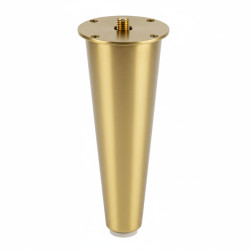
Select the Right Replacement Legs: Based on your inspection, choose new sofa legs. Match the existing attachment type (e.g., screw-in, threaded insert, bolt-on) and ensure the new legs can support the sofa’s weight and desired height. Consider material and style.
Step 4
Safely Elevate and Support the Sofa: Using furniture lifters or sturdy blocks, carefully raise the sofa to a comfortable working height. Ensure it is perfectly stable and secured to prevent any movement or toppling during the process.
Step 5
Remove the Old Legs: Unscrew or unbolt the existing legs using a screwdriver or wrench. Take note of how they were attached. If any attachment points are damaged, plan for repair or reinforcement.
Step 6
Prepare for New Leg Installation: If your new legs are screw-in, mark the exact screw positions. Crucially, pre-drill pilot holes that are slightly smaller than the screws to prevent the wood frame from splitting, especially if attaching directly to wood.
Step 7
Attach and Secure the New Legs: Carefully align each new leg and screw or bolt it firmly into its attachment point. Tighten securely with appropriate tools, but be cautious not to overtighten, as this can strip threads or damage the sofa frame.
Step 8
Test for Levelness and Stability: Once all legs are installed, carefully return the sofa to its upright position. Gently sit on it and test for any wobbling or instability. If it wobbles, adjust leg heights (if adjustable) or add furniture pads to level it.
Step 9
Final Inspection and Clean-up: Double-check all leg attachments for security. Clear your workspace and properly dispose of old legs and any debris. Enjoy your stable, refreshed sofa!
Common mistakes
- Failing to pre-drill pilot holes, which often results in the wood splitting or cracking.
- Selecting replacement legs with an incompatible attachment type for your sofa’s frame.
- Overtightening screws or bolts, stripping threads or damaging the sofa frame permanently.
- Not ensuring all legs are perfectly level after installation, leading to an unstable and wobbly sofa.
- Overlooking or ignoring pre-existing damage to the sofa’s frame, which compromises the stability of new legs.
- Using weak or inappropriate replacement legs for the sofa’s weight, leading to premature failure.
When to call a professional
- The sofa’s frame is severely damaged, cracked, or rotten, requiring structural repair beyond leg replacement.
- You encounter intricate or unusual leg attachment mechanisms that you’re unfamiliar with or cannot easily access.
- The sofa is excessively heavy, large, or awkward to lift and stabilize safely on your own.
- You lack the specialized tools, skills, or confidence to perform the replacement correctly and safely.
- Existing screw threads in the sofa frame are stripped, and simple repair methods (like wood glue and dowels) are insufficient.
- After installation, the sofa remains unstable or wobbles despite adjustments, indicating a deeper issue.
Want this done properly without the hassle?
Aap DIY try kar sakte hain, lekin agar time nahi ya confidence kam ho, to professional bula lena better hota hai. Galat step se damage ya safety issue ho sakta hai.