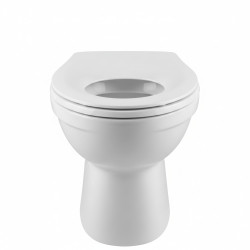
How to do a basic Toilet Pot Blockage safety check and quick fixes
Want this done properly without the hassle?
Aap DIY try kar sakte hain, lekin agar time nahi ya confidence kam ho, to professional bula lena better hota hai. Galat step se damage ya safety issue ho sakta hai.
Quick answer (read this first)
- First, assess the severity of the blockage and the water level.
- Effectively use a toilet plunger to create strong suction.
- For minor clogs, try a mix of hot water and dish soap.
- If basic methods fail, carefully use a drain snake for deeper obstructions.
- Know when to stop and call a professional plumber.
Safety first
- Always wear rubber gloves and protective clothing to maintain hygiene and prevent skin contact with contaminated water.
- Ensure adequate ventilation in the bathroom to disperse any fumes, especially if using cleaning agents.
- Never mix different chemical drain cleaners, as this can produce dangerous toxic fumes or cause explosive reactions.
- Avoid using excessive force with tools like plungers or snakes, which can crack the toilet bowl or damage plumbing pipes.
- Immediately stop if the blockage seems severe or if water starts overflowing.
Tools you may need
- Rubber gloves
- Toilet plunger
- Hot water (not boiling)
- Dish soap
- Old towels/rags
- Bucket
- Drain snake (optional)
Step-by-step
Step 1
Initial Safety Check & Preparation: Put on rubber gloves and lay old towels or newspapers around the toilet base. Open a window or turn on the exhaust fan for ventilation. Crucially, if the toilet bowl is nearly overflowing, do NOT attempt to flush it again; wait for the water level to recede or carefully remove some water.
Step 2
Assess the Blockage Type: Examine the water level in the bowl and observe if it’s completely still, slowly draining, or rising after a flush attempt. Look for any visible foreign objects (e.g., toys, hygiene products); if easily accessible, carefully remove them with gloves.
Step 3
Effective Plunger Technique: Ensure your toilet plunger forms a tight seal over the drain hole, adding a little water if needed to cover the plunger’s cup. Push down slowly to expel air, then pull back sharply to create suction. Repeat this strong pushing and pulling motion 15-20 times. After plunging, quickly pull the plunger up to break the seal and check if the water drains.
Step 4
Repeat Plunging (If Needed): If the water still doesn’t drain or drains very slowly, reposition the plunger and repeat the plunging process several more times. Persistence can often clear stubborn clogs.
Step 5
Hot Water & Dish Soap Method: If plunging alone fails, pour about half a cup of liquid dish soap directly into the toilet bowl. Follow with one gallon (approximately 4 liters) of hot (NOT boiling) water from about waist height to give it some force. Allow this mixture to sit for at least 20-30 minutes, or even overnight for tough clogs.
Step 6
Gentle Flush & Re-evaluation: After waiting, attempt a single, gentle flush. If the water level rises rapidly, DO NOT flush a second time to prevent overflow. Observe if the water drains. If it does, you can attempt another flush to confirm the blockage is clear.
Step 7
Consider a Drain Snake (Optional - Advanced): If the above methods are unsuccessful and you have a toilet auger or drain snake, carefully insert it into the drain opening. Gently push and rotate the snake until you feel resistance, indicating the clog. Work the snake back and forth or rotate the handle to break up or hook the blockage, then slowly pull it out. Use extreme caution to avoid scratching or damaging the porcelain.
Common mistakes
- Using boiling water: Extremely hot water can crack the ceramic of your toilet bowl.
- Repeated flushing: Continuously flushing a blocked toilet will lead to overflow and potential water damage.
- Mixing chemical cleaners: Combining different chemical drain cleaners can create dangerous fumes or harmful reactions.
- Excessive force: Applying too much pressure with a plunger or drain snake can damage the toilet’s internal mechanisms or scratch the porcelain.
- Ignoring visible objects: Trying to flush foreign objects (like toys, wipes, or hygiene products) can worsen the blockage and damage your plumbing.
When to call a professional
- If the toilet remains blocked after repeated attempts with plunging, hot water, and soap.
- If you notice gurgling sounds from other drains (sinks, showers) when flushing the toilet, indicating a potential main sewer line blockage.
- If water backs up into other fixtures, suggesting a significant obstruction beyond the toilet itself.
- If you are uncomfortable attempting to use a drain snake or suspect the blockage is too deep or stubborn for DIY methods.
- If there’s a sewage odor that persists, or sewage water is overflowing, posing a health hazard.
- If the issue recurs frequently, even after temporary fixes, suggesting an underlying plumbing problem.
Want this done properly without the hassle?
Aap DIY try kar sakte hain, lekin agar time nahi ya confidence kam ho, to professional bula lena better hota hai. Galat step se damage ya safety issue ho sakta hai.