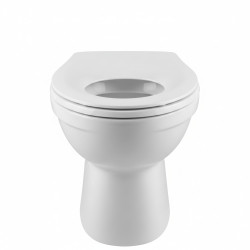
How to Troubleshoot Toilet Pot Blockage Issues at Home
Want this done properly without the hassle?
Aap DIY try kar sakte hain, lekin agar time nahi ya confidence kam ho, to professional bula lena better hota hai. Galat step se damage ya safety issue ho sakta hai.
Quick answer (read this first)
- Swiftly address minor clogs with a quality plunger.
- Utilize a hot water and dish soap solution for stubborn, non-severe blockages.
- Deploy a plumbing snake or auger for deeper, more persistent clogs.
- Always prioritize safety: wear protective gear and safeguard your bathroom from spills.
Safety first
- Always wear rubber gloves and eye protection to prevent contact with waste and chemicals.
- Never mix different chemical drain cleaners; deadly fumes or hazardous reactions can result.
- Handle hot water with extreme care to avoid burns; do not use boiling water as it can damage porcelain.
- Ensure adequate ventilation in the bathroom if using any chemical solutions.
- Avoid applying excessive force when using tools like plungers or snakes to prevent damaging the toilet bowl or pipes.
Tools you may need
- High-quality rubber plunger (flange or cup type)
- Hot water (never boiling)
- Liquid dish soap
- Bucket
- Old towels or rags
- Plumbing snake or closet auger (optional, for persistent clogs)
- Baking soda and white vinegar (optional, for natural solutions)
Step-by-step
Step 1
Prepare the Area: First, assess the blockage. If water is near overflowing, avoid flushing again. Remove any visible objects from the toilet bowl. Lay down old towels or newspapers around the base to protect the floor from splashes.
Step 2
Employ a Plunger Effectively: Ensure you have a flange plunger that creates a tight seal. Position the plunger over the drain hole. Plunge firmly and rapidly 10-15 times, maintaining the seal. Pull up sharply to break the vacuum. Repeat this process 2-3 times if necessary.
Step 3
Apply Hot Water and Dish Soap: If plunging is ineffective, pour about half a cup of liquid dish soap into the toilet bowl. Follow with a bucket of hot (but not boiling) water, pouring from waist height to add force. Let it sit for 20-30 minutes; the soap helps lubricate the clog, and the hot water assists in dissolving it.
Step 4
Try Baking Soda and Vinegar (Optional): As a natural alternative, pour one cup of baking soda into the toilet, followed by two cups of white vinegar. The fizzing action can help break down milder clogs. Let it sit for at least an hour, or ideally overnight, before flushing.
Step 5
Deploy a Plumbing Snake/Auger: For stubborn blockages that resist plunging or natural remedies, carefully insert a plumbing snake or closet auger into the drain. Feed it gently until you feel resistance. Rotate the handle to break up or hook the clog, then slowly pull it out.
Step 6
Test and Confirm: Once you believe the clog is cleared, flush the toilet once. Observe the water level. If it drains normally, the blockage is resolved. If the water rises significantly, do not flush again to prevent overflow and potential water damage.
Step 7
Sanitize and Clean: After successfully clearing the blockage, thoroughly clean the toilet bowl, the plunger, the snake (if used), and any surrounding areas that may have been splashed, using appropriate disinfectants.
Common mistakes
- Applying excessive force with plungers or snakes, which can damage the toilet bowl, wax ring, or internal piping.
- Failing to remove visible obstructions (like toys, hygiene products, or excessive paper) before attempting to clear the blockage.
- Combining different chemical drain cleaners, leading to dangerous fumes, violent reactions, or further damage to pipes.
- Repeatedly flushing a blocked toilet, causing potential overflow, water damage, and making the situation worse.
- Neglecting to wear appropriate protective gear, exposing yourself to harmful bacteria, waste, and chemical splashes.
When to call a professional
- If the toilet continues to back up or overflow despite multiple DIY attempts with various methods.
- When none of the home troubleshooting methods successfully clear the blockage after persistent efforts.
- If you suspect the blockage is located deeper within your main sewer line, potentially affecting other drains.
- If you notice sewage smells, or other drains in your home (sinks, showers) are also backing up, indicating a main line issue.
- If you are uncomfortable or unsure about safely using specialized tools or strong cleaning agents, or if the problem feels beyond your expertise.
Want this done properly without the hassle?
Aap DIY try kar sakte hain, lekin agar time nahi ya confidence kam ho, to professional bula lena better hota hai. Galat step se damage ya safety issue ho sakta hai.