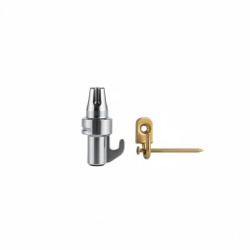
How to do a basic Towel Rod Ring Installation safety check and quick fixes
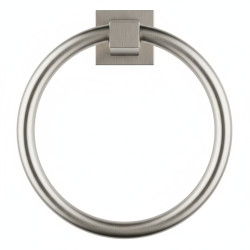
Want this done properly without the hassle?
Aap DIY try kar sakte hain, lekin agar time nahi ya confidence kam ho, to professional bula lena better hota hai. Galat step se damage ya safety issue ho sakta hai.
Quick answer (read this first)
- Regularly check for any looseness or wobbling.
- Tighten mounting screws immediately if the rod feels unstable.
- Ensure appropriate wall anchors are used for secure installation.
- Avoid hanging excessively heavy items on towel rods.
Safety first
- Always wear appropriate eye protection when performing any repairs involving tools.
- Before drilling or making significant alterations, identify wall materials and check for hidden electrical wires or plumbing lines using a stud finder or by carefully assessing the area.
- Never drill into areas where electrical wires or water pipes are suspected to be present.
- Ensure the towel rod’s weight capacity is sufficient for its intended use to prevent unexpected falls and injuries.
Tools you may need
- Screwdriver set (Philips and flathead)
- Spirit level
- Measuring tape
- Wall plugs/anchors (appropriate for your wall type, if needed)
- Pencil
- Drill (if new anchors or holes are required)
- Stud finder (recommended for drilling)
Step-by-step
Step 1
Gather your tools and prepare the work area by clearing any obstructions around the towel rod and ring.
Step 2
Perform a thorough visual inspection of the towel rod, rings, and mounting brackets for any visible cracks, rust, bending, or signs of wear and tear.
Step 3
Gently, yet firmly, pull and push the towel rod in various directions to test for any looseness or excessive wobbling from the wall.
Step 4
Carefully examine each mounting bracket where the rod attaches to the wall, looking for loose, stripped, or rusted screws.
Step 5
Using the correct screwdriver, tighten any visible loose screws by turning them clockwise. Stop turning once snug to avoid overtightening, which can strip the threads or damage the wall surface.
Step 6
If screws spin freely or the rod remains loose after tightening, gently try to pull out a screw to inspect the wall anchor. The anchor might be damaged or not suitable for your wall material.
Step 7
If an anchor is damaged or inadequate, carefully remove it. Insert a new, appropriate wall anchor designed for your specific wall material (e.g., drywall, concrete) and then re-secure the screw firmly into the new anchor.
Step 8
After any adjustments or anchor replacements, re-test the rod’s stability and use a spirit level to ensure it is still perfectly horizontal.
Step 9
Lightly load the towel rod with a couple of towels to confirm it can bear minimal weight without showing signs of strain or looseness. Avoid overloading it.
Common mistakes
- Failing to identify the wall material and using incorrect or undersized wall anchors.
- Overtightening screws, which can strip screw threads, damage the mounting brackets, or crack the wall surface.
- Ignoring minor signs of looseness, which can lead to further damage and potential rod failure over time.
- Not ensuring the towel rod is level during installation or re-installation, leading to an uneven appearance.
- Hanging excessive weight on the towel rod beyond its intended capacity, causing it to pull away from the wall.
When to call a professional
- If you encounter unexpected obstacles like electrical wiring or plumbing behind the wall during any repairs or new installations.
- When the wall material is severely damaged, crumbling, or unable to hold new anchors securely.
- If the existing mounting holes are too large or extensively damaged, making it impossible to secure the rod firmly.
- For installations on delicate or expensive wall surfaces like marble or custom tile, where specialized tools and expertise are required.
- If you are unsure about the structural integrity of your wall or feel uncomfortable performing the repairs yourself.
Want this done properly without the hassle?
Aap DIY try kar sakte hain, lekin agar time nahi ya confidence kam ho, to professional bula lena better hota hai. Galat step se damage ya safety issue ho sakta hai.