How to Troubleshoot Tube Light Installation Issues at Home
Want this done properly without the hassle?
Aap DIY try kar sakte hain, lekin agar time nahi ya confidence kam ho, to professional bula lena better hota hai. Galat step se damage ya safety issue ho sakta hai.
Quick answer (read this first)
- Check power supply and wall switch.
- Inspect starter and choke/ballast for faults.
- Examine tube light connections and seating.
- Replace faulty components one by one.
Safety first
- Always turn off the main power supply to the circuit before starting any work.
- Use insulated tools to prevent electric shock.
- Never touch bare wires with wet hands.
- Wear appropriate safety gear, such as gloves and safety glasses.
Tools you may need
- Screwdriver (flathead and Phillips)
- Voltage tester or multimeter
- New starter (if applicable)
- New tube light (for testing)
- Insulated pliers
Step-by-step
Step 1
Prioritize Safety: Before touching anything, always turn off the main electricity supply to the tube light circuit from your home’s main breaker box. Confirm power is off using a non-contact voltage tester.
Step 2
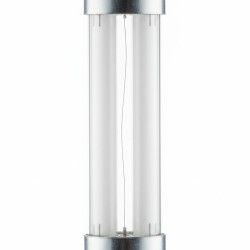
Inspect the Tube Light: Gently remove the tube light. Check for any visible damage, blackening at the ends, or bent pins. Reinsert it, ensuring it sits firmly and correctly in both holders.
Step 3
Check the Starter: If your fixture has a starter (a small cylindrical component), carefully twist it out. Starters are common points of failure; try replacing it with a new, compatible starter.
Step 4
Examine the Ballast/Choke: Locate the ballast (also known as a choke). Inspect it for signs of burning, leaking, swelling, or a persistent humming sound when power is briefly on. These are indicators of a faulty ballast.
Step 5
Verify Power Supply (with caution): With the main power briefly restored (and extreme caution), use a voltage tester or multimeter to check if electricity is reaching the fixture terminals. Immediately switch off power after testing.
Step 6
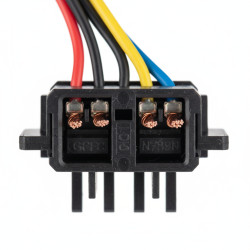
Inspect Wiring Connections: After ensuring power is OFF, carefully inspect all internal wiring connections within the fixture. Look for loose, corroded, or burnt wires. Gently tighten any loose screws or connections.
Step 7
Test with a New Tube: If all previous steps don’t resolve the issue, try installing a brand-new tube light. Sometimes, the tube itself is faulty, even without visible damage.
Common mistakes
- Forgetting to turn off the main power, which can lead to electric shock.
- Assuming the tube itself is faulty without checking the starter or ballast first.
- Not ensuring proper and firm contact between the tube light and its end holders.
- Using incompatible or incorrect starters or ballasts for the specific tube light.
- Ignoring humming sounds or flickering without investigating the ballast.
When to call a professional
- If you are unsure about any troubleshooting step or uncomfortable working with electricity.
- If the main circuit breaker trips repeatedly after your attempts to fix the light.
- If you detect burning smells, visible smoke, or sparks from the fixture or wiring.
- If all components (tube, starter, ballast) seem fine but the light still doesn’t work.
- When dealing with complex wiring issues, problems with the main power supply, or damaged internal fixture components.
Want this done properly without the hassle?
Aap DIY try kar sakte hain, lekin agar time nahi ya confidence kam ho, to professional bula lena better hota hai. Galat step se damage ya safety issue ho sakta hai.