How to Prevent Common UPS Wiring Problems
Want this done properly without the hassle?
Aap DIY try kar sakte hain, lekin agar time nahi ya confidence kam ho, to professional bula lena better hota hai. Galat step se damage ya safety issue ho sakta hai.
Quick answer (read this first)
- Regular inspection prevents most issues.
- Use correct wire gauges and quality components.
- Avoid overloading your UPS.
- Ensure proper earthing for safety.
Safety first
- Always turn off power at the main breaker before starting any work.
- Never touch exposed wires with bare hands.
- Use insulated tools.
- Do not attempt complex repairs without expertise.
- Ensure proper ventilation for your UPS.
Tools you may need
- Insulated screwdriver set
- Wire stripper/cutter
- Multimeter
- Electrical tape
- Cable ties
- Work gloves
Step-by-step
Step 1
Conduct Regular Visual Inspections: Periodically check all visible UPS wiring for signs of wear such as fraying, cuts, discoloration, or melting, which indicate overheating. Ensure connections are snug.
Step 2
Use Correct Wire Gauge: Always use wires with the appropriate gauge for your UPS and connected devices. Undersized wires can overheat, posing fire hazards and damaging equipment.
Step 3
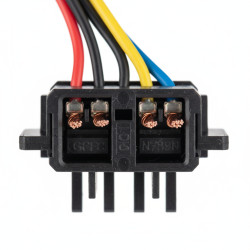
Secure All Terminal Connections: Regularly inspect and tighten any loose connections on your UPS unit, battery terminals, and wall outlets. Loose connections generate heat and can lead to power fluctuations.
Step 4
Organize and Protect Cables: Securely route and organize UPS cables using cable ties or conduits. This prevents accidental damage, reduces tripping hazards, and improves ventilation around the system.
Step 5
Verify Effective Earthing: Confirm that your UPS system has a robust and correctly installed earthing connection. Proper earthing is vital for personal safety and protecting your equipment from surges.
Step 6
Prevent System Overloading: Calculate the total power consumption of all devices connected to your UPS. Never exceed the UPS’s rated capacity to avoid strain, reduced lifespan, and potential failures.
Step 7
Maintain Optimal Battery Condition: Clean battery terminals regularly to prevent corrosion and ensure a strong connection. Ensure the battery area is well-ventilated to dissipate heat and prevent gas buildup.
Common mistakes
- Using undersized wires.
- Ignoring loose connections.
- Overloading the UPS.
- Not ensuring proper earthing.
- Placing UPS in poorly ventilated areas.
- Ignoring signs of wear and tear.
When to call a professional
- If you detect a burning smell or smoke.
- If circuit breakers trip frequently.
- If wires are severely damaged or exposed.
- If you’re unsure about correct wiring or earthing.
- If the UPS is not functioning despite basic checks.
- For new UPS installation or major wiring changes.
Want this done properly without the hassle?
Aap DIY try kar sakte hain, lekin agar time nahi ya confidence kam ho, to professional bula lena better hota hai. Galat step se damage ya safety issue ho sakta hai.