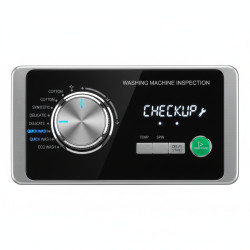
How to Troubleshoot Washing Machine Problems at Home
Want this done properly without the hassle?
Aap DIY try kar sakte hain, lekin agar time nahi ya confidence kam ho, to professional bula lena better hota hai. Galat step se damage ya safety issue ho sakta hai.
Quick answer (read this first)
- Always check power supply and ensure connections are secure.
- Inspect water inlet and drain hoses for kinks or blockages.
- Confirm the machine’s lid or door is fully closed and latched.
- Clean the drain pump filter regularly for optimal performance.
- Avoid overloading the machine to prevent imbalance issues.
- Refer to your washing machine’s user manual for error code explanations.
Safety first
- Always unplug the washing machine before inspection or repair.
- Turn off the water supply to the machine before disconnecting hoses.
- Avoid touching electrical components if you’re not trained.
- Wear protective gloves if dealing with dirty water or components.
- Never operate the machine with exposed wiring or damaged plugs.
Tools you may need
- Screwdriver (Philips and flathead)
- Pliers
- Bucket/towels (for water spills)
- Flashlight
- Your washing machine’s user manual (if available)
Step-by-step
Step 1
Ensure safety first: Unplug the washing machine completely from the power outlet. Check the power cord for any visible damage. Test the wall socket by plugging in another appliance to confirm it is receiving power.
Step 2
Turn off the water supply to the washing machine at the taps. Inspect both hot and cold water inlet hoses for kinks, bends, or damage. Ensure they are securely connected. Disconnect hoses if necessary and clean the mesh filters at the connections.
Step 3
Check the drain hose for any kinks, blockages, or excessive insertion into the drainpipe. Ensure there is a proper air gap between the hose end and the drain opening to prevent siphoning.
Step 4
Locate the drain pump filter, typically found at the bottom front of your machine. Place towels and a shallow pan underneath to catch water. Carefully open the filter and remove any accumulated lint, coins, or debris. Reinstall and secure the filter cover tightly.
Step 5
Confirm the lid or door is fully closed and latched. For top-loaders, ensure the lid clicks shut. For front-loaders, verify the door locks securely, as a faulty lid/door switch can prevent the machine from starting or spinning.
Step 6
Open the drum and redistribute laundry evenly to prevent an unbalanced load, which can trigger error codes or excessive vibration. Also, confirm you are using the correct type and amount of detergent appropriate for your machine.
Step 7
After completing all checks, securely plug the washing machine back into the power outlet. Turn on the water supply taps. Select a short wash cycle to test if the problem has been resolved.
Common mistakes
- Neglecting to unplug the machine before any inspection or repair.
- Failing to check basic elements like closed water supply taps or kinked hoses.
- Overloading the washing machine, causing imbalance and vibration issues.
- Skipping regular cleaning of the drain pump filter, leading to drainage problems.
- Ignoring unusual sounds or smells, which often signal developing malfunctions.
When to call a professional
- If the machine has electrical issues or emits burning smells.
- If water leaks persist despite checking hoses and filters.
- When the motor is making unusual loud noises or not spinning.
- If error codes appear that are not explained in the manual or cannot be fixed.
- If you suspect a problem with internal components like the pump, motor, or circuit board.
Want this done properly without the hassle?
Aap DIY try kar sakte hain, lekin agar time nahi ya confidence kam ho, to professional bula lena better hota hai. Galat step se damage ya safety issue ho sakta hai.