How to Troubleshoot Washing Machine Point Issues at Home
Want this done properly without the hassle?
Aap DIY try kar sakte hain, lekin agar time nahi ya confidence kam ho, to professional bula lena better hota hai. Galat step se damage ya safety issue ho sakta hai.
Starting from
Rs. 1000
Quick answer (read this first)
- Verify the washing machine is securely plugged in and its power outlet is functional.
- Confirm both hot and cold water supply valves are completely open.
- Examine the drain hose for any kinks, twists, or obstructions.
- Clean the water inlet filters if experiencing low water flow.
- Reset any tripped circuit breakers at your home’s electrical panel.
Safety first
- Always disconnect the washing machine from its power source before any inspection or repair.
- Shut off both hot and cold water supply valves to the machine before detaching hoses.
- Never handle electrical components with wet hands or while standing in water.
- Avoid attempting complex electrical wiring repairs; contact a certified electrician for safety.
- Use protective gloves when dealing with dirty water or drain issues.
Tools you may need
- Pliers or adjustable wrench
- Screwdriver set
- Bucket or large bowl
- Old towels
- Flashlight
Step-by-step
Step 1
- Check Power Supply: Ensure the washing machine’s power cord is securely plugged into a functional wall outlet. Test the outlet with another appliance. If no power, check your home’s circuit breaker for tripped switches and reset them.
Step 2
- Inspect Water Valves & Hoses: Confirm that both the hot and cold water supply valves behind the machine are fully open. Straighten any kinked, twisted, or bent water inlet hoses that might restrict water flow.
Step 3
- Clean Inlet Filters: Turn off the water supply to the machine. Carefully disconnect the inlet hoses and remove any small mesh filters found at the hose connections. Clean these filters under running water to remove debris, then reattach them and reconnect the hoses.
Step 4
- Clear Drain Hose Obstructions: Verify the drain hose is not kinked, crushed, or pushed too far down into the standpipe (which can cause siphoning). Remove any visible blockages from the hose or the standpipe opening.
Step 5
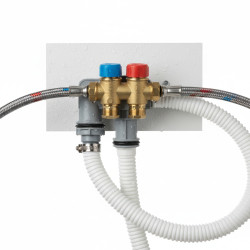
- Test Water Pressure: With the water supply hoses disconnected from the machine, briefly open the washing machine point taps to check for adequate water flow and pressure. Low pressure can lead to slow filling or error codes.
Step 6
- Check for Leaks: Inspect all hose connections, the machine’s base, and the area around the water valves for any signs of leaks. Tighten any loose connections carefully with an adjustable wrench.
Step 7
- Perform a Machine Reset: After completing the basic checks, plug the washing machine back in and run a short test cycle. A simple machine reset can sometimes resolve minor electronic glitches.
Common mistakes
- Failing to unplug the machine before any inspection or maintenance.
- Ignoring kinked, twisted, or blocked water inlet and drain hoses.
- Neglecting to clean the small mesh filters at the water inlet connections.
- Assuming a major appliance fault without first verifying basic power and water supply.
- Overlooking a tripped circuit breaker as the cause for no power.
When to call a professional
- If you smell burning, see sparks, or suspect any serious electrical fault.
- If persistent water leaks continue after checking and tightening all connections.
- If the washing machine still doesn’t power on after confirming the outlet and circuit breaker are functional.
- For stubborn drainage issues that cannot be resolved by clearing visible clogs.
- If you are uncomfortable, unsure, or lack the tools to perform any troubleshooting step, especially those involving electrical or complex plumbing components.
Want this done properly without the hassle?
Aap DIY try kar sakte hain, lekin agar time nahi ya confidence kam ho, to professional bula lena better hota hai. Galat step se damage ya safety issue ho sakta hai.
Starting from
Rs. 1000
100% Money Back Guarantee
If you are not satisfied with the service