How to do a basic Washing Machine Repair safety check and quick fixes
Want this done properly without the hassle?
Aap DIY try kar sakte hain, lekin agar time nahi ya confidence kam ho, to professional bula lena better hota hai. Galat step se damage ya safety issue ho sakta hai.
Quick answer (read this first)
- Check power connection and cord for damage.
- Inspect water hoses for kinks or leaks.
- Clean the lint filter regularly.
- Ensure the machine is level and load is balanced.
- Listen for unusual noises during operation.
Safety first
- Always unplug the washing machine from the power outlet before any inspection or repair.
- Never touch electrical components with wet hands or while standing in water.
- Use insulated tools when appropriate for minor adjustments.
- Do not attempt complex electrical wiring or internal component repairs yourself.
- Keep children and pets away from the appliance during any maintenance work.
Tools you may need
- Screwdriver set (Phillips and flathead)
- Pliers
- Old towels or rags
- Small bucket (for water leaks)
- Flashlight
- Level tool
Step-by-step
Step 1
Safety First: Disconnect Power. Always begin by unplugging your washing machine from the power outlet to ensure complete electrical isolation. This is crucial for your safety.
Step 2
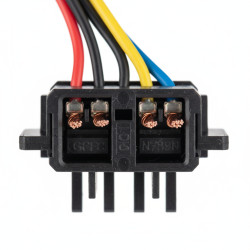
Inspect Power Cord & Plug. Carefully examine the power cord and plug for any visible damage like cuts, fraying, or loose connections. Damaged cords can cause power issues or safety hazards.
Step 3
Check Water Hoses. Inspect both the water inlet hoses (cold and hot, if applicable) and the drain hose. Look for kinks, blockages, leaks, or loose connections. Ensure hoses are not crimped behind the machine.
Step 4
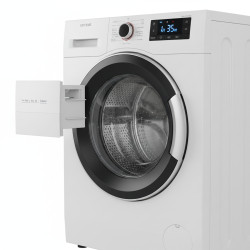
Clean the Lint Filter/Drain Pump Filter. Locate the lint filter (often at the bottom front or inside the drum) or drain pump filter. Open it carefully and thoroughly clean out lint, debris, coins, or small items that could be causing drainage issues.
Step 5
Verify Machine Level & Load Balance. Use a spirit level to check if your washing machine is perfectly level. Adjust the machine’s feet as needed to prevent excessive vibration and noise. Also, ensure laundry loads are evenly distributed within the drum to avoid imbalance.
Step 6
Address Drainage Issues. For problems with water draining, confirm the drain hose isn’t kinked, blocked, or inserted too far into the standpipe (which can create a siphon effect and improper drainage).
Step 7
Run a Test Cycle. After performing these checks and fixes, plug the machine back in. Run a short, empty test cycle to confirm the issue is resolved and there are no new leaks or problems.
Common mistakes
- Forgetting to unplug the appliance before attempting any maintenance.
- Overloading the washing machine beyond its capacity.
- Ignoring unusual noises or leaks until they become major problems.
- Using harsh chemicals to clean parts of the machine.
- Attempting complex internal electrical repairs without professional knowledge.
When to call a professional
- If there is a persistent burning smell or sparks from the machine.
- When significant water leakage occurs from the machine’s base, not just hoses.
- If the drum is completely stuck, not spinning, or not draining at all after basic checks.
- When complex electrical component replacement or motor issues are suspected.
- If you are uncomfortable or unsure about any step of the repair process.
Want this done properly without the hassle?
Aap DIY try kar sakte hain, lekin agar time nahi ya confidence kam ho, to professional bula lena better hota hai. Galat step se damage ya safety issue ho sakta hai.