How to Troubleshoot Water Filter Installation Issues at Home
Want this done properly without the hassle?
Aap DIY try kar sakte hain, lekin agar time nahi ya confidence kam ho, to professional bula lena better hota hai. Galat step se damage ya safety issue ho sakta hai.
Starting from
Rs. 500
Quick answer (read this first)
- Immediately check all connections and fittings for leaks after installation.
- Confirm that the main water supply and filter shut-off valves are fully open.
- Verify correct orientation and seating of all filter cartridges inside the housing.
- Gently tighten any loose connections, reapplying Teflon tape if necessary on threaded parts.
- Bleed trapped air from the system by running the filtered water faucet for several minutes.
Safety first
- Always turn off the main water supply to prevent flooding and ensure safety before beginning any work.
- Wear appropriate personal protective equipment, such as gloves and eye protection, to avoid injury.
- Exercise caution with plastic fittings; overtightening can cause irreparable cracks and lead to leaks.
- Keep children and pets safely away from the work area to prevent accidents.
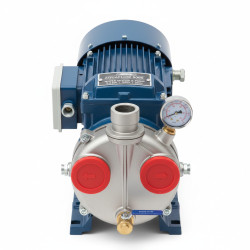
- NEVER attempt to repair any electrical components, pumps, or wiring yourself. Contact a qualified professional for electrical issues.
Tools you may need
- Adjustable wrench or spanner
- Teflon tape (PTFE thread seal tape)
- Bucket or absorbent cloths for managing spills
- Screwdriver (Phillips/flathead, if needed)
- Flashlight (for inspecting tight or dark areas)
Step-by-step
Step 1
- Turn Off Water Supply Safely: Locate and completely shut off the main water valve to your home or the dedicated shut-off valve supplying the water filter system. This crucial step prevents leaks and water damage.
Step 2
- Inspect for Visible Leaks: Carefully examine all connections, fittings, and the filter housing itself for any signs of water drips or puddles. Pay close attention to both the inlet and outlet lines as well as the filter head.
Step 3
- Tighten Loose Connections: If a leak is identified, gently tighten the corresponding fitting with an adjustable wrench. Avoid overtightening, especially with plastic components, to prevent cracking. If needed, turn off the water again, disassemble the joint, reapply Teflon tape to threaded connections, and reassemble carefully.
Step 4
- Verify Filter Cartridge Installation: Using the filter housing wrench, carefully open the filter housing. Ensure all filter cartridges are correctly seated, oriented according to manufacturer instructions, and that O-rings are properly placed and undamaged. Reseal the housing firmly.
Step 5
- Restore Water Supply and Check Flow: Slowly turn the main water supply valve back on. Observe the water flow from the filtered water faucet. If flow is low, check for kinks in the supply lines or a partially closed shut-off valve near the filter.
Step 6
- Bleed Air from the System: Open the filtered water faucet fully and let the water run for a few minutes. This allows any trapped air to escape, often indicated by sputtering, until a steady, smooth water flow is achieved.
Step 7
- Check for Inlet Blockages (If Flow Remains Low): If water flow is still insufficient, turn off the water supply once more. Carefully disconnect the filter’s inlet line and inspect the connection point and any internal screen for debris or sediment that might be obstructing water entry.
Step 8
- Flush System and Test Quality: Once troubleshooting is complete and issues are resolved, run water through the filtered faucet for 5-10 minutes to flush out any dislodged particles or remaining air. Finally, confirm the water’s clarity and taste.
Common mistakes
- Overtightening connections, particularly plastic ones, which can lead to cracks and persistent leaks.
- Incorrectly installing filter cartridges or seals (O-rings), leading to bypass or ineffective filtration.
- Forgetting to flush the system after installation or troubleshooting, resulting in cloudy water or trapped air.
- Not using enough Teflon tape on threaded connections, causing slow drips or significant leaks.
- Ignoring a small leak, allowing it to escalate into a larger, more damaging water problem over time.
When to call a professional
- If you encounter persistent leaks that you cannot locate or stop after following all troubleshooting steps.
- If there is absolutely no water flow despite all your efforts to resolve the issue.
- If you experience a significant and unexplained drop in water pressure throughout your entire house after filter installation.
- If your water filter system involves an electrical pump or wiring and you suspect an electrical fault or issue.
- If you are uncomfortable or lack the necessary tools or expertise to safely perform any of the troubleshooting steps.
Want this done properly without the hassle?
Aap DIY try kar sakte hain, lekin agar time nahi ya confidence kam ho, to professional bula lena better hota hai. Galat step se damage ya safety issue ho sakta hai.
Starting from
Rs. 500
100% Money Back Guarantee
If you are not satisfied with the service