How to do a basic Water Meter Installation safety check and quick fixes
Want this done properly without the hassle?
Aap DIY try kar sakte hain, lekin agar time nahi ya confidence kam ho, to professional bula lena better hota hai. Galat step se damage ya safety issue ho sakta hai.
Starting from
Rs. 1000
Quick answer (read this first)
- Regularly inspect your water meter for leaks and proper functioning.
- Ensure all connections are tight and the meter is securely mounted.
- Periodically clean the area around the meter to prevent obstructions.
- Know how to operate your main shut-off valves for emergencies.
- Address minor drips promptly with plumber’s tape to avoid escalation.
Safety first
- Always turn off the main water supply before attempting any repairs, even minor ones.
- Wear protective gloves and eye protection to prevent injury from sharp edges, dirt, or splashing water.
- Be cautious of slippery surfaces if water is present; ensure good footing.
- Do not tamper with the water meter itself; only inspect and work on external connections and pipes.
- Avoid overtightening fittings to prevent stripping threads or cracking pipes, which can cause worse leaks.
- If you are unsure or uncomfortable at any point, stop and call a professional.
Tools you may need
- Adjustable wrench
- Screwdriver (flathead/Phillips)
- Flashlight
- Cleaning cloth or brush
- Bucket or tray
- Plumber’s tape (PTFE tape)
Step-by-step
Step 1
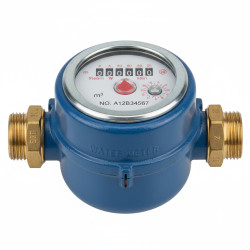
- Locate Your Water Meter and Clear the Area: Find your water meter, typically located outside your home near the main water supply line. Remove any dirt, leaves, or debris from around the meter and its connections to ensure a clear view for inspection.
Step 2
- Conduct a Visual Leak Inspection: Carefully examine the water meter, its inlet and outlet pipes, and all visible connections. Look for any signs of water drips, dampness, rust stains, mineral deposits, or puddles that indicate a leak.
Step 3
- Check Meter Mounting and Pipe Condition: Gently test if the water meter is securely mounted and not loose or wobbly. Inspect the pipes leading to and from the meter for any visible cracks, corrosion, excessive wear, or bulging.
Step 4
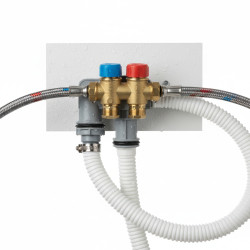
- Test Shut-Off Valves: Locate the main shut-off valves (usually on both sides of the meter). Slowly turn them a quarter turn clockwise and then back counter-clockwise to ensure they operate smoothly and can fully close and open. Do not force a stuck valve.
Step 5
- Tighten Loose Connections (Quick Fix): If you identified minor drips or visibly loose threaded fittings during your inspection, first turn off the main water supply. Then, use an adjustable wrench to gently tighten the connection. Avoid excessive force.
Step 6
- Apply Plumber’s Tape for Persistent Drips (Quick Fix): For small, persistent leaks at threaded connections that are not resolved by tightening, turn off the main water supply. Carefully loosen the leaking connection. Wrap plumber’s tape (PTFE tape) clockwise around the pipe threads 3-5 times, then re-tighten the fitting securely.
Common mistakes
- Ignoring small drips, which can escalate into significant leaks and waste water.
- Overtightening connections, leading to stripped threads or damaged pipes.
- Attempting to repair or alter the water meter itself, which is property of the water utility.
- Forgetting to turn off the main water supply before attempting any fixes.
- Using improper tools, potentially causing further damage to plumbing components.
When to call a professional
- If you discover significant leaks, burst pipes, or persistent water accumulation.
- If the water meter itself is visibly damaged, not spinning, or showing incorrect readings.
- If you cannot stop a leak after attempting basic troubleshooting with plumber’s tape.
- If you need to replace a main shut-off valve or a substantial section of piping.
- If you are uncomfortable or unsure about performing any of the required inspection or repair steps.
- If there is a complete loss of water supply or extremely low water pressure without an apparent cause.
Want this done properly without the hassle?
Aap DIY try kar sakte hain, lekin agar time nahi ya confidence kam ho, to professional bula lena better hota hai. Galat step se damage ya safety issue ho sakta hai.
Starting from
Rs. 1000
100% Money Back Guarantee
If you are not satisfied with the service