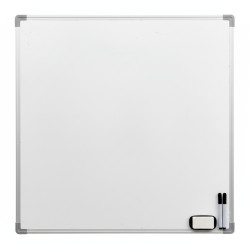
How to Troubleshoot Whiteboard Installation Issues at Home
Want this done properly without the hassle?
Aap DIY try kar sakte hain, lekin agar time nahi ya confidence kam ho, to professional bula lena better hota hai. Galat step se damage ya safety issue ho sakta hai.
Quick answer (read this first)
- Confirm correct wall anchors for your specific wall type.
- Verify the whiteboard is perfectly level and all mounting screws are tight.
- Inspect all mounting hardware for proper installation and integrity.
Safety first
- Always wear safety glasses to protect your eyes, especially when drilling.
- Use a stud finder to locate studs and avoid drilling into electrical wires or water pipes.
- Seek assistance when lifting or positioning large or heavy whiteboards to prevent injury.
- Ensure your ladder is stable and properly secured if working at elevated heights.
Tools you may need
- Electric drill with appropriate drill bits
- Measuring tape
- Spirit level
- Screwdriver set (Phillips and flathead)
- Pencil
- Stud finder (highly recommended for drywall)
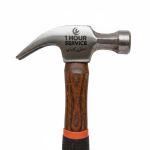
- Hammer (for wall anchors)
- Correct wall anchors (if replacing)
Step-by-step
Step 1
Assess Wall Type and Anchors: Reconfirm your wall material (e.g., brick, concrete, drywall, plaster) and ensure the correct type and size of wall anchors are being used for optimal grip. Incorrect anchors are a common cause of instability.
Step 2
Verify Whiteboard Levelness: Place a spirit level on the top edge of the whiteboard. If it’s not perfectly horizontal, mark the areas needing adjustment. Also, check vertical alignment if possible.
Step 3
Inspect All Mounting Hardware: Thoroughly check every screw, bracket, and clip holding the whiteboard. Ensure they are all present, correctly positioned, and not damaged or bent.
Step 4
Tighten Loose Connections: Using the appropriate screwdriver, carefully tighten any loose screws or fasteners on the whiteboard frame and mounting brackets. Do not overtighten, as this can strip screws or damage the wall/frame.
Step 5
Examine Wall Anchor Stability: Gently try to move the whiteboard. If it feels wobbly or an anchor appears to be pulling out of the wall, it indicates a failed or improperly installed anchor.
Step 6
Replace Faulty Wall Anchors: If an anchor is loose or damaged, carefully remove it. Repair the hole if necessary, then install a new, appropriate, and stronger anchor in the same or a slightly offset location.
Step 7
Confirm Stud Engagement (for Drywall): If your whiteboard is mounted on drywall, use a stud finder to verify that at least one side of the mounting hardware is securely fastened into a wall stud for maximum support. Relocate mounting points if no studs are engaged.
Step 8
Clear Rear Obstructions: Ensure there are no wires, debris, or wall imperfections behind the whiteboard preventing it from sitting flush against the wall. Remove any obstructions and ensure the mounting surface is clean.
Step 9
Test Stability: Once all adjustments are made, gently push on the whiteboard from different angles to ensure it is firmly and securely mounted to the wall without any wobbling.
Common mistakes
- Selecting and using wall anchors that are unsuitable for your specific wall material (e.g., using drywall anchors in concrete).
- Skipping the step of checking levelness, resulting in a crooked whiteboard.
- Over-tightening screws, which can strip threads, damage the whiteboard frame, or crack the wall surface.
- Ignoring the use of a stud finder for drywall installations, leading to mounting only into plaster and insufficient support.
- Disregarding the weight limit of the mounting hardware or the wall’s capacity, causing the whiteboard to sag or fall.
When to call a professional
- If you observe significant damage to the wall during the installation or repair process, such as large cracks or crumbling plaster.
- If you accidentally drill into electrical wiring, water pipes, or gas lines; immediately cut off power/water and call a professional.
- If the whiteboard’s size or weight makes it unsafe for you to handle or mount alone, or if you lack the proper equipment.
- If you have attempted troubleshooting multiple times and the whiteboard remains unstable, crooked, or the problem persists.
Want this done properly without the hassle?
Aap DIY try kar sakte hain, lekin agar time nahi ya confidence kam ho, to professional bula lena better hota hai. Galat step se damage ya safety issue ho sakta hai.