How to do a basic Carpet Cleaning safety check and quick fixes
Want this done properly without the hassle?
Aap DIY try kar sakte hain, lekin agar time nahi ya confidence kam ho, to professional bula lena better hota hai. Galat step se damage ya safety issue ho sakta hai.
Quick answer (read this first)
- Regularly vacuum your carpet to prevent dirt buildup and prolong its life.
- Blot fresh spills immediately to avoid permanent stains.
- Trim loose carpet threads carefully to prevent unraveling and tripping hazards.
- Check for unusual odors, which can signal hidden moisture or mold.
- Ensure carpets lie flat and are secured to prevent trips and falls.
Safety first
- Always unplug electrical appliances like vacuum cleaners before inspection or minor repair.
- Test any cleaning solution on an inconspicuous area first to prevent damage or discoloration.
- Ensure good ventilation when using cleaning products to avoid inhaling fumes.
- Avoid over-wetting carpets, which can lead to mold, mildew, and damage to the subfloor.
- Use protective gloves when handling cleaning agents to prevent skin irritation.
Tools you may need
- Vacuum cleaner
- Soft-bristle brush
- Clean white cloths or paper towels
- Mild liquid dish soap or carpet-safe cleaner
- Small, sharp scissors
- Bucket of clean water
- Spray bottle (optional, for diluted cleaner)
Step-by-step
Step 1
Prepare the Area: Clear all furniture and objects from the carpeted area you intend to inspect and clean to allow for full visibility and access.
Step 2
Conduct a Visual Safety Scan: Carefully examine the carpet for any loose threads, small tears, ripples, or bumps that could pose a tripping hazard. Note any visible stains or areas of excessive wear.
Step 3
Address Loose Threads Promptly: For any loose threads, carefully snip them with sharp scissors. Never pull them, as this can cause the carpet to unravel further.
Step 4
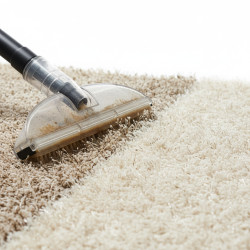
Thoroughly Vacuum for Cleanliness: Use a powerful vacuum cleaner to remove all surface dust, dirt, and loose particles. Go over high-traffic areas multiple times from different directions for a deeper clean.
Step 5
Perform Spot Cleaning on Minor Stains: For small, fresh stains, gently blot with a clean white cloth dampened with a diluted solution of mild soap and water. Work from the outside of the stain inwards to prevent spreading.
Step 6
Rinse and Dry Carefully: Blot the cleaned area with a fresh, water-dampened cloth to rinse. Then, use dry cloths to absorb as much moisture as possible. Ensure the area air dries completely to prevent mold, using a fan if necessary.
Step 7
Check for Odors and Moisture: After cleaning and drying, sniff for any persistent musty smells which could indicate underlying dampness or mold. Confirm the carpet feels completely dry to the touch.
Step 8
Final Inspection for Hazards: Re-evaluate the entire carpeted area to confirm no new hazards exist, that the carpet lies flat, and that all quick fixes were successful.
Common mistakes
- Pulling loose carpet threads instead of carefully trimming them, which can cause significant damage.
- Rubbing stains vigorously, which can spread them, damage carpet fibers, and make them harder to remove.
- Using harsh chemicals, inappropriate cleaning solutions, or excessive water, leading to discoloration, damage, or mold growth.
- Not testing cleaning solutions on a hidden spot first, potentially causing irreversible damage to your carpet.
- Ignoring regular vacuuming, allowing dirt and debris to build up and embed deeply into the carpet fibers.
When to call a professional
- For large, deep-set, or stubborn stains that do not respond to gentle DIY cleaning methods.
- If you notice extensive damage like large tears, burns, widespread fraying, or unraveling that simple trimming cannot fix.
- Upon discovering any signs of significant water damage, widespread mold, or mildew growth, which requires professional remediation.
- For persistent foul odors that you cannot identify or eliminate, as this may indicate hidden issues like mold, spills, or pet accidents.
- If you require a deep clean for the entire carpet, suspect a pest infestation, or need specialized treatment for delicate carpet types.
Want this done properly without the hassle?
Aap DIY try kar sakte hain, lekin agar time nahi ya confidence kam ho, to professional bula lena better hota hai. Galat step se damage ya safety issue ho sakta hai.