How to do a basic Change Over Switch Install safety check and quick fixes
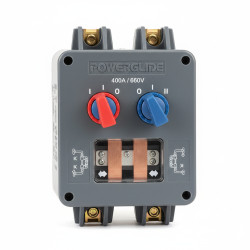
Want this done properly without the hassle?
Aap DIY try kar sakte hain, lekin agar time nahi ya confidence kam ho, to professional bula lena better hota hai. Galat step se damage ya safety issue ho sakta hai.
Quick answer (read this first)
- Always disconnect all power sources before any inspection or work.
- Perform a thorough visual inspection for physical damage, discoloration, or loose parts.
- Carefully operate the switch lever to ensure smooth movement between positions.
- Address minor issues like dust accumulation or loose accessible covers safely.
- Immediately stop and call a professional if you detect burning smells, sparks, or unusual noises.
Safety first
- Prioritize safety: ALWAYS turn off the main circuit breaker and set the change over switch to ‘OFF’ or neutral before touching any part.
- Never touch exposed wires or internal electrical components; electricity can be fatal.
- Use only insulated tools for opening covers and checking accessible screws.
- Wear rubber-soled shoes and avoid working in damp or wet environments.
- Stop immediately and call a qualified electrician if you observe burning smells, sparks, buzzing sounds, or any visible damage.
Tools you may need
- Flashlight
- Insulated screwdriver (for opening covers and checking accessible external screws)
- Dry, clean cloth or soft brush (for dust removal)
- Safety glasses
Step-by-step
Step 1
Step 1: Safely Disconnect All Power. Turn off your main circuit breaker and ensure the change over switch itself is in the ‘OFF’ or neutral position. Confirm no power is reaching the unit.
Step 2
Step 2: Conduct External Visual Inspection. Look for any visible physical damage, such as cracks, burns, discoloration, or loose parts on the exterior casing of the change over switch.
Step 3
Step 3: Check for Overheating Signs. Carefully observe for any melted plastic, warped components, or unusual smells (like burning plastic or ozone) around the switch area.
Step 4
Step 4: Inspect External Connections and Wiring. Examine all external cables connected to the switch. Ensure they are securely terminated and show no signs of fraying, cuts, or insulation damage. Gently tighten any accessible terminal screws if they appear loose (ONLY on external, clearly visible connections and with power OFF).
Step 5
Step 5: Clean Internal Compartment (If Accessible). If the outer cover is designed for user access and can be safely opened, do so. Use a dry, clean cloth or a soft brush to carefully remove any dust, dirt, or spider webs inside the compartment, as these can cause overheating. Do NOT touch internal wiring.
Step 6
Step 6: Test Switch Mechanism Movement. Gently operate the change over switch lever or knob through all its positions (e.g., Grid, Generator, Off). Confirm it moves smoothly without excessive force, sticking, or unusual noises.
Step 7
Step 7: Re-secure and Restore Power. Once the inspection and minor cleaning are complete, securely reattach any covers. Restore power by first turning on the main circuit breaker, then carefully testing the change over switch functionality by selecting different power sources. Observe for any abnormal behavior.
Common mistakes
- Failing to completely disconnect all power sources (main breaker AND switch) before starting any work.
- Touching internal components or wiring without proper training or insulated tools.
- Overlooking subtle warning signs such as faint burning smells or slight discoloration.
- Using any liquid or a damp cloth for cleaning inside or near electrical parts.
- Applying excessive force to a stiff or stuck switch, potentially causing internal damage.
- Delaying calling a professional when obvious issues (sparks, major damage) are present.
When to call a professional
- You observe sparks, hear persistent buzzing, or smell burning plastic/ozone from the unit.
- The change over switch or its surrounding area feels unusually hot to the touch.
- Your circuit breakers trip frequently or unexpectedly after using the change over switch.
- The switch lever or knob is stiff, stuck, or fails to engage smoothly between positions.
- There is any visible damage to internal wiring, terminals, or melted components within the switch.
- You are uncertain about any step, lack the necessary tools, or feel uncomfortable performing the inspection.
Want this done properly without the hassle?
Aap DIY try kar sakte hain, lekin agar time nahi ya confidence kam ho, to professional bula lena better hota hai. Galat step se damage ya safety issue ho sakta hai.