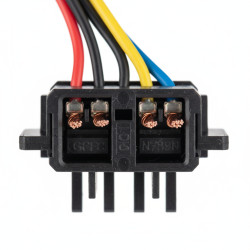
How to Prevent Common Distribution Box Installation Problems
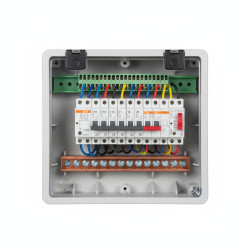
Want this done properly without the hassle?
Aap DIY try kar sakte hain, lekin agar time nahi ya confidence kam ho, to professional bula lena better hota hai. Galat step se damage ya safety issue ho sakta hai.
Quick answer (read this first)
- Plan thoroughly to avoid expensive errors from the start.
- Always install certified, high-quality electrical components.
- Properly size your distribution box for current and future power needs.
- Regularly inspect for wear, corrosion, or loose connections.
- Recognize critical signs and call a professional when in doubt.
Safety first
- Always turn off the main power supply before any inspection.
- Never work with wet hands or in damp conditions.
- Use insulated tools designed for electrical work.
- Wear safety glasses and gloves.
- Do not bypass safety devices like circuit breakers.
- If unsure about any step, stop immediately and call a professional.
Tools you may need
- Multimeter (for safe voltage and continuity checks)
- Insulated screwdrivers
- Flashlight
- Safety gloves
- Safety glasses
Step-by-step
Step 1
Accurately assess your household’s current and future electrical load requirements.
Step 2
Select a dry, easily accessible, and well-ventilated location, safely away from water.
Step 3
Use only certified, high-quality circuit breakers, wires, and the distribution box itself.
Step 4
Match wiring gauges precisely to circuit breaker ratings to prevent overheating.
Step 5
Ensure correct earthing (grounding) of the distribution box for safety and stability.
Step 6
Clearly label each circuit breaker to identify corresponding areas or appliances.
Step 7
Conduct regular visual checks (with main power off) for loose wires, burning signs, or corrosion.
Step 8
Periodically test circuit breakers (using the test button) to ensure they trip correctly.
Common mistakes
- Overloading electrical circuits with excessive appliances.
- Using uncertified or sub-standard electrical components.
- Incorrect or inadequate earthing/grounding installations.
- Mismatched circuit breaker ratings and wire gauges.
- Ignoring early warning signs like flickering lights or frequent trips.
- Failing to clearly label circuits, causing confusion during maintenance or emergencies.
When to call a professional
- Frequent circuit breaker trips or fuses blowing.
- Burning smells, scorch marks, or buzzing sounds from the distribution box.
- Flickering lights throughout the house, indicating voltage fluctuations.
- Any complex wiring, new installations, or major upgrades to your electrical system.
- If you encounter water inside or near the distribution box.
- If you’re unsure about any electrical work, safety procedure, or identifying a problem.
Want this done properly without the hassle?
Aap DIY try kar sakte hain, lekin agar time nahi ya confidence kam ho, to professional bula lena better hota hai. Galat step se damage ya safety issue ho sakta hai.