How to Troubleshoot and Prevent Common Door Pillar Gate Lights Problems
Want this done properly without the hassle?
Aap DIY try kar sakte hain, lekin agar time nahi ya confidence kam ho, to professional bula lena better hota hai. Galat step se damage ya safety issue ho sakta hai.
Quick answer (read this first)
- Always turn off power at the main breaker before any inspection or repair.
- Regularly clean light fixtures and clear away any insect nests.
- Inspect and tighten all wiring connections within the fixture.
- Promptly replace any burnt-out or flickering bulbs with the correct type.
- Ensure proper sealing to prevent water from entering the fixture.
Safety first
- Always turn off power at the main electrical breaker before starting any work on lights.
- Use only insulated tools designed for electrical work.
- Never attempt repairs in wet weather conditions or if the area is damp.
- Wear protective gloves and safety eyewear to prevent injury.
- Do not touch any exposed or frayed wires; call a professional immediately.
Tools you may need
- Screwdriver set (flathead and Phillips)
- Wire strippers/cutters (optional, for minor wire adjustments)
- Electrical tape (weather-resistant)
- Voltage tester or multimeter (to confirm power is off)
- Ladder (if lights are installed at a height)
- Cleaning cloth and mild detergent
- Replacement bulbs (correct wattage and type)
Step-by-step
Step 1
Prioritize Safety: Cut Power. Locate the main circuit breaker for your outdoor lights and switch it completely OFF. Use a voltage tester or try the light switch to confirm no power is flowing to the fixture.
Step 2
Clean the Fixture Thoroughly. Gently wipe down the light fixture, its cover, and the bulb with a soft, damp cloth to remove accumulated dust, dirt, cobwebs, and insect nests. Ensure no water enters the electrical components.
Step 3
Inspect and Replace Faulty Bulbs. Carefully unscrew the existing bulb. Check for any signs of a burnt filament, darkened glass, or a loose connection. Replace it with a new bulb of the exact correct wattage and type, screwing it in firmly.
Step 4
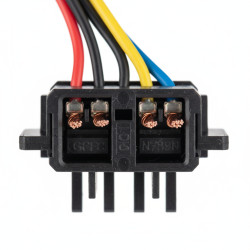
Examine Wiring and Connections. Open the light fixture’s housing cover (if applicable). Visually inspect all internal wires for fraying, cuts, corrosion, or burnt insulation. Gently tighten any loose screws on wire terminals and ensure all wire connections are secure.
Step 5
Ensure Water Protection and Sealing. Check the rubber gaskets, O-rings, or seals around the fixture for any cracks, deterioration, or misalignment. If damaged, replace them or apply weather-resistant electrical tape or silicone sealant to prevent water ingress.
Step 6
Test the Repair and Monitor. Once all inspections and minor repairs are complete, restore power at the circuit breaker. Turn on the light and observe its operation. Monitor the light over the next few days for consistent illumination, flickering, or any signs of intermittent function.
Common mistakes
- Failing to turn off the power supply at the main breaker before starting work.
- Using incorrect bulb wattage or a bulb type not compatible with the fixture.
- Ignoring minor flickering or intermittent light issues, which can indicate larger problems.
- Not sealing fixtures properly, leading to water damage and potential short circuits.
- Attempting complex electrical repairs beyond basic troubleshooting without professional help.
When to call a professional
- If you detect any burning smells, smoke, or hear sizzling sounds near the fixture or wiring.
- If wires are severely damaged, exposed, or show signs of melting.
- If the circuit breaker for your outdoor lights trips persistently after attempts to reset.
- If you notice water has entered the main electrical box or conduit connected to the lights.
- If you are unsure or uncomfortable with any step of the troubleshooting or repair process.
- For new installations, relocating lights, or any major wiring overhauls that require expertise.
Want this done properly without the hassle?
Aap DIY try kar sakte hain, lekin agar time nahi ya confidence kam ho, to professional bula lena better hota hai. Galat step se damage ya safety issue ho sakta hai.