How to do a basic Door Pillar Gate Lights safety check and quick fixes
Want this done properly without the hassle?
Aap DIY try kar sakte hain, lekin agar time nahi ya confidence kam ho, to professional bula lena better hota hai. Galat step se damage ya safety issue ho sakta hai.
Quick answer (read this first)
- Prioritize safety: Always switch off the main power at the circuit breaker.
- Start with the basics: Inspect bulbs and visible wiring for damage or looseness.
- Clean regularly: Dust and debris can cause issues and hide problems.
- Know your limits: If uncertain or uncomfortable, always call a certified electrician.
Safety first
- ALWAYS turn off the main circuit breaker for the gate lights before touching anything.
- Use a non-contact voltage tester to confirm power is off before starting any work.
- Wear insulated gloves to minimize electrical risk.
- Do not touch exposed wires or attempt to strip insulation.
- Never attempt repairs in wet conditions, rain, or high humidity.
- If you encounter frayed wires, burning smells, or any situation you’re unsure about, STOP immediately and call a professional.
Tools you may need
- Screwdriver set (Philips and flathead)
- New replacement bulbs (matching type and wattage)
- Insulated gloves
- Non-contact voltage tester
- Small brush or dry cloth for cleaning
- Ladder (if lights are installed at height)
Step-by-step
Step 1
Step 1: Prioritize Safety - Disconnect Power. Locate the dedicated circuit breaker for your door pillar or gate lights in your home’s main electrical panel and switch it to the ‘OFF’ position. Use a non-contact voltage tester to confirm that there is absolutely no power reaching the light fixture. DO NOT proceed if power is still detected.
Step 2
Step 2: Perform an External Visual Inspection. Examine the entire light fixture for obvious signs of physical damage such as cracks in the casing, rust, corrosion, or discoloration. Check for loose mounting screws or if the fixture appears wobbly. Look for any signs of water ingress, such as water stains, moisture inside the lens, or deteriorated seals.
Step 3
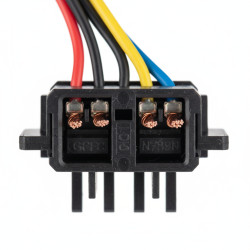
Step 3: Inspect Visible Wiring and Connections. Carefully open the fixture cover (if applicable) to expose the bulb and visible wiring. Gently inspect the bulb socket for any melted plastic, corrosion, or loose wires. Check any visible external wires for frayed insulation or exposed copper.
Step 4
Step 4: Check and Replace the Light Bulb. Unscrew the existing bulb counter-clockwise. Inspect its filament for breaks and the bulb base for corrosion. Replace it with a new bulb of the exact same type and wattage specified for the fixture. Using the wrong bulb can cause overheating or malfunction. Screw the new bulb in gently but firmly.
Step 5
Step 5: Clean the Fixture and Components. Using a soft, dry brush or cloth, carefully remove dust, cobwebs, insects, and debris from the inside and outside of the fixture, including the glass lens/cover. Ensure any drainage holes in the fixture are clear to prevent water accumulation.
Step 6
Step 6: Secure and Reassemble the Fixture. Carefully close and secure any covers or shields you opened. Ensure all gaskets and seals are properly seated to prevent future water entry. Tighten any loose screws on the fixture casing, ensuring not to overtighten, which can cause damage to the fixture or threads.
Step 7
Step 7: Restore Power and Test. Go back to your main electrical panel and switch the circuit breaker for the gate lights back to the ‘ON’ position. Observe if the light illuminates. If it doesn’t, switch off the power again and carefully re-check your connections and the bulb.
Common mistakes
- Forgetting to turn off the main power supply before starting work, posing a severe electric shock risk.
- Using an incorrect bulb wattage or type, which can lead to overheating, premature failure, or even fire hazards.
- Ignoring clear signs of water damage, frayed wires, or corroded components, which indicate deeper electrical issues.
- Attempting repairs during rain, wet weather, or when the fixture is damp, significantly increasing the risk of electrocution.
- Over-tightening screws, which can strip threads, crack plastic components, or damage the fixture housing.
When to call a professional
- If the circuit breaker for your gate lights frequently trips, indicating an electrical overload or short circuit.
- If you smell burning plastic, a strange metallic odor, or see smoke coming from the fixture or wiring.
- If wires appear scorched, severely frayed, or have exposed copper that you cannot safely manage.
- If you cannot identify the source of the problem after performing all basic checks and quick fixes.
- If the issue involves internal house wiring, junction boxes, the main electrical panel, or other complex electrical components.
- If you are uncomfortable performing any step, lack the necessary tools, or do not have sufficient knowledge to proceed safely.
Want this done properly without the hassle?
Aap DIY try kar sakte hain, lekin agar time nahi ya confidence kam ho, to professional bula lena better hota hai. Galat step se damage ya safety issue ho sakta hai.