How to Prevent Common Drawer Channel Replacement Problems
Want this done properly without the hassle?
Aap DIY try kar sakte hain, lekin agar time nahi ya confidence kam ho, to professional bula lena better hota hai. Galat step se damage ya safety issue ho sakta hai.
Quick answer (read this first)
- Regularly clean channels.
- Lubricate moving parts.
- Tighten loose screws.
- Avoid overloading drawers.
Safety first
- Wear safety gloves to protect hands.
- Use safety goggles to shield eyes from debris.
- Ensure adequate lighting in your workspace.
- Keep small parts and tools away from children.
Tools you may need
- Screwdriver set (Phillips and flathead)
- Measuring tape (if replacing)
- Pencil (if replacing)
- New drawer channels (if necessary)
- Lubricant spray (silicone or dry film recommended)
- Cleaning cloth or paper towel
- Small brush or old toothbrush
Step-by-step
Step 1
Empty and Remove Drawer: Completely unload the drawer, then carefully pull it out and detach it from the cabinet channels.
Step 2
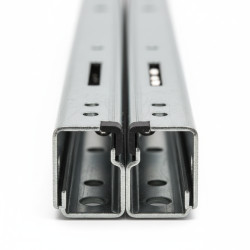
Inspect Channels Thoroughly: Examine both the drawer and cabinet channels for signs of bending, cracks, broken rollers, rust, or excessive dirt.
Step 3
Clean Channels Thoroughly: Use a cleaning cloth and a small brush (or old toothbrush) to remove all dust, dirt, debris, and old lubricant from both channel sets.
Step 4
Lubricate Moving Parts: Apply a suitable lubricant (silicone or dry film spray recommended) to the rollers and sliding surfaces of the cleaned channels.
Step 5
Tighten All Screws: Inspect and tighten any loose screws on both the drawer and cabinet-mounted channels to ensure a secure fit.
Step 6
Re-install Drawer: Carefully align the drawer with the cabinet channels and gently slide it back into position, ensuring proper engagement.
Step 7
Test Drawer Movement: Open and close the drawer several times to confirm smooth operation, proper alignment, and the absence of sticking or grinding.
Common mistakes
- Using oil-based lubricants that attract more dust and grime.
- Over-tightening screws which can strip wood or damage channels.
- Neglecting thorough cleaning before applying new lubricant.
- Ignoring minor issues until they escalate into major channel damage.
- Overloading drawers, which puts excessive strain on the channels.
When to call a professional
- Channels are severely bent, broken, or rusted beyond simple repair.
- You lack the specific tools or confidence to perform a complex replacement.
- The drawer mechanism is intricate or part of custom, high-value cabinetry.
- Repeated problems occur despite your best DIY attempts.
- There is structural damage to the cabinet itself, requiring carpentry expertise.
Want this done properly without the hassle?
Aap DIY try kar sakte hain, lekin agar time nahi ya confidence kam ho, to professional bula lena better hota hai. Galat step se damage ya safety issue ho sakta hai.