How to Prevent Common Drawer Lock Installation Problems
Want this done properly without the hassle?
Aap DIY try kar sakte hain, lekin agar time nahi ya confidence kam ho, to professional bula lena better hota hai. Galat step se damage ya safety issue ho sakta hai.
Quick answer (read this first)
- Accurately measure and mark all drilling points.
- Utilize the correct tools and drill bit sizes.
- Properly align the lock mechanism with its strike plate.
- Thoroughly test the lock’s functionality post-installation.
Safety first
- Wear safety glasses to protect eyes from wood splinters.
- Keep hands clear of drilling and cutting areas.
- Unplug power tools when changing bits or not in use.
- Work in a well-lit area to see clearly.
Tools you may need
- Drill machine
- Drill bits (appropriate sizes)
- Measuring tape or ruler
- Pencil
- Screwdriver set
- Chisel (optional, for flush mounts)
- Hammer (if using a chisel)
Step-by-step
Step 1
Select the appropriate drawer lock type based on your drawer material and security needs.
Step 2
Precisely measure and mark the installation points on both the drawer front and the cabinet frame using a pencil and tape measure.
Step 3
Using the correct drill bit size, carefully drill pilot holes for the lock body and mounting screws.
Step 4
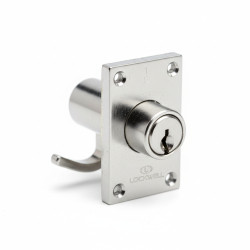
Insert the lock body into the drawer front’s prepared hole, ensuring it sits flush and secure before fastening it with screws.
Step 5
Close the drawer to mark the exact position for the strike plate on the cabinet frame, then screw it securely into place.
Step 6
Insert the key and test the lock’s mechanism multiple times to ensure smooth operation and proper engagement with the strike plate.
Step 7
Make minor adjustments to the lock body or strike plate position if the lock sticks or does not engage correctly.
Common mistakes
- Incorrect measurement leading to misalignment of the lock.
- Using the wrong drill bit size, causing damage or loose fittings.
- Over-tightening screws, which can strip wood or damage the lock mechanism.
- Not accounting for drawer runners or internal frame obstructions.
- Failing to properly test the lock’s functionality after installation.
When to call a professional
- If the drawer material is antique, fragile, or complex to work with.
- If you encounter existing structural issues with the drawer or cabinet.
- If the lock mechanism is faulty or damaged despite correct installation.
- When precision is critical for securing high-value items and you lack confidence.
- If you do not have the necessary tools or sufficient experience for the task.
Want this done properly without the hassle?
Aap DIY try kar sakte hain, lekin agar time nahi ya confidence kam ho, to professional bula lena better hota hai. Galat step se damage ya safety issue ho sakta hai.