DIY Drawer Lock Installation: Step-by-Step Troubleshooting and When to Call a Professional
Want this done properly without the hassle?
Aap DIY try kar sakte hain, lekin agar time nahi ya confidence kam ho, to professional bula lena better hota hai. Galat step se damage ya safety issue ho sakta hai.
Quick answer (read this first)
- Use a surface-mount lock, measure twice, drill pilot holes, install gently, test before finalizing, and stop if wood cracks or alignment fails.
Safety first
- Wear safety goggles and gloves at all times to protect against wood splinters and flying debris.
- Keep hands and fingers away from drill bits and sharp edges during drilling and screwing.
- Work in a well-ventilated space to avoid inhaling wood dust, especially in enclosed homes.
- Unplug power tools when adjusting position or changing bits to prevent accidental activation.
- Never force a drill—stop immediately if you feel resistance or hear unusual sounds.
Tools you may need
- Measuring tape
- Pencil for marking
- Hand drill or cordless power drill
- Small drill bits (2mm pilot bit and 5mm hole saw bit)
- Flathead or Phillips screwdriver
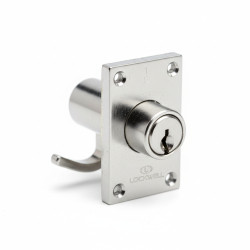
- Surface-mount drawer lock kit (with screws and latch)
- Medium-grit sandpaper (120-150 grit)
Step-by-step
Step 1
Measure and mark the exact center point on the drawer front where the lock will go—align with the cabinet’s strike plate height.
Step 2
Use a 2mm drill bit to create pilot holes at all screw locations to prevent wood from splitting, especially in soft or engineered wood common in Pakistan.
Step 3
Drill a 5mm hole through the drawer front for the lock’s keyhole or latch bolt—ensure it’s centered and straight using a steady hand.
Step 4
Hold the lock plate firmly against the drawer front and insert screws loosely at first—do not tighten fully yet.
Step 5
Slide the drawer into the cabinet and test the latch: open and close it several times to check smooth operation and proper alignment.
Step 6
Once confirmed, fully tighten screws evenly—then sand any rough edges around the lock and wipe clean with a dry cloth.
Common mistakes
- Skipping pilot holes, which causes wood to crack under screw pressure—common in low-quality plywood used in Pakistani furniture.
- Placing the lock too high or low, resulting in misalignment with the cabinet’s strike plate and failure to latch.
- Overtightening screws, which warps thin drawer fronts or strips screw holes, especially in MDF or veneered wood.
- Choosing a lock that’s too large or heavy for the drawer, making it look unbalanced and stressing the wood structure.
- Drilling too fast or without steady pressure, leading to uneven holes or broken drill bits in hard wood.
- Testing the lock only once—failing to check multiple openings/closings can miss subtle jams or misalignments.
When to call a professional
- If the drawer is warped, cracked, or made of fragile veneer that could splinter under drilling pressure.
- If the lock mechanism jams repeatedly even after correct installation and alignment.
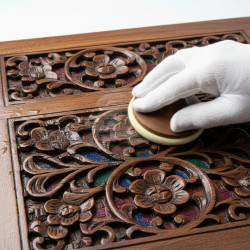
- If you’re working on antique, heirloom, or high-value furniture where mistakes could cause irreversible damage.
- If you lack the proper tools and cannot safely borrow or purchase them without risking injury or poor results.
Want this done properly without the hassle?
Aap DIY try kar sakte hain, lekin agar time nahi ya confidence kam ho, to professional bula lena better hota hai. Galat step se damage ya safety issue ho sakta hai.