How to do a basic Electric Geyser Power Point safety check and quick fixes
Want this done properly without the hassle?
Aap DIY try kar sakte hain, lekin agar time nahi ya confidence kam ho, to professional bula lena better hota hai. Galat step se damage ya safety issue ho sakta hai.
Quick answer (read this first)
- Check for visible damage on plugs and sockets.
- Ensure proper earthing for safety.
- Test for loose connections at the power point.
- Never use overloaded multi-plugs with a geyser.
Safety first
- Always turn off the main circuit breaker (MCB) for the geyser before starting.
- Never touch live wires or wet electrical components.
- Use insulated tools.
- Do not attempt repairs if you are unsure or uncomfortable.
- Ensure proper ventilation if working near the geyser itself.
Tools you may need
- Insulated screwdriver set (flathead and Phillips)
- Voltage tester/Multimeter (optional, for advanced checks)
- Clean, dry cloth
- Replacement plug top (if needed)
- Electrical tape (for temporary insulation, not a permanent fix)
Step-by-step
Step 1
Initial Safety First: Cut Power: Locate your geyser’s dedicated circuit breaker (MCB) in the main distribution board and switch it to the ‘OFF’ position. Confirm power is completely off at the geyser’s power point using a voltage tester if available, or by attempting to plug in a small, known-working appliance (NOT the geyser).
Step 2
Inspect the Geyser’s Power Plug: Examine the geyser’s power plug for any visible signs of damage, such as cracks, burns, discoloration, or melted plastic. Ensure all three pins (especially the earth pin) are intact and not bent.
Step 3
Examine the Power Cable: Follow the geyser’s power cable from the plug to the geyser itself. Look for any cuts, frayed insulation, kinks, or exposed wires along its entire length. Any damage here is a significant hazard.
Step 4
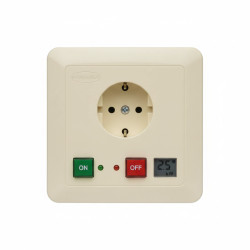
Check the Wall Socket Condition: Carefully inspect the wall socket where the geyser plugs in. Look for burn marks around the pin openings, cracks in the casing, or any signs of melting. Ensure the socket is firmly secured to the wall and doesn’t wiggle.
Step 5
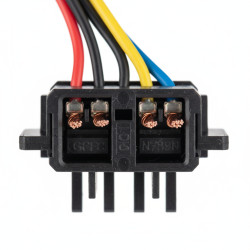
Secure Loose Plug Connections (Quick Fix): If your geyser plug can be opened, gently unscrew its casing (with power OFF) and inspect the wire connections. Ensure each wire (Live, Neutral, Earth) is securely fastened to its terminal with no loose strands. Tighten any loose screws carefully with an insulated screwdriver. If the plug is sealed or too damaged, replace it.
Step 6
Clean Plug and Socket Contacts: With the power off, use a clean, dry cloth to wipe away any dust, grime, or corrosion from the geyser plug pins and inside the socket openings. This improves electrical contact and prevents arcing.
Step 7
Check MCB for Damage/Loose Wires: Inspect the geyser’s dedicated MCB itself. Look for any signs of heat damage, discolouration, or loose wiring around its terminals. If the MCB appears damaged or its wires are loose, do not proceed and call a professional electrician.
Step 8
Restore Power and Monitor: Once all visual checks and minor fixes are complete, ensure no tools or loose materials are left. Switch the geyser’s MCB back ‘ON’. Carefully plug the geyser into the socket. Observe for any unusual sounds (buzzing), smells (burning), or sparks. If any occur, immediately switch off the MCB and call a professional.
Common mistakes
- Overloading the geyser power point with other appliances.
- Ignoring signs of damage like burn marks or flickering.
- Using incorrect plug tops or faulty extension cords.
- Attempting repairs without turning off the main power supply.
- Not ensuring proper earthing for the geyser.
When to call a professional
- If you find burnt wires, melted plastic, or persistent sparking.
- If the circuit breaker trips frequently when the geyser is on.
- If the geyser’s outer casing feels hot to the touch or gives minor shocks.
- If the wall socket is loose, damaged, or makes buzzing sounds.
- If you are unsure about any step or uncomfortable performing the checks.
- For any internal geyser element or wiring repairs.
Want this done properly without the hassle?
Aap DIY try kar sakte hain, lekin agar time nahi ya confidence kam ho, to professional bula lena better hota hai. Galat step se damage ya safety issue ho sakta hai.