How to prevent common Electric Geyser Power Point problems and when to call a pro
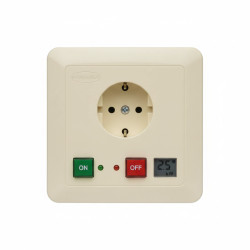
Want this done properly without the hassle?
Aap DIY try kar sakte hain, lekin agar time nahi ya confidence kam ho, to professional bula lena better hota hai. Galat step se damage ya safety issue ho sakta hai.
Starting from
Rs. 1200
Quick answer (read this first)
- Inspect your geyser’s power point and plug regularly for damage or wear.
- Confirm your geyser is connected to a correctly rated circuit breaker.
- Never use extension cords or multi-plugs with an electric geyser.
- Switch off the geyser’s power when not in active use.
Safety first
- ALWAYS turn off the geyser’s main power supply at the circuit breaker or fuse box before any inspection or work.
- NEVER touch exposed wires or attempt electrical repairs if you lack proper knowledge or tools.
- Ensure your hands and feet are completely dry and use only insulated tools when working near electrical points.
- Avoid overloading the geyser’s dedicated power socket; never plug in other appliances or use extension cords.
Tools you may need
- Screwdriver set (Phillips and flathead, insulated if possible)
- Flashlight or headlamp
- Non-contact voltage tester (recommended for safety)
Step-by-step
Step 1
- Safely Disconnect Power: Locate your home’s main distribution board and switch off the circuit breaker specifically labeled for your electric geyser. Confirm power is off using a non-contact voltage tester if available.
Step 2
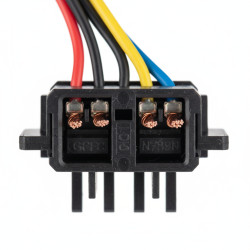
- Visually Inspect Power Point & Plug: Carefully examine both the wall power point and the geyser’s plug. Look for any signs of physical damage, scorch marks, discoloration, melting, or cracks. A burning smell is also a critical warning.
Step 3
- Check for Loose Connections: Gently wiggle the geyser’s plug within the socket. It should fit snugly. If it feels loose or unstable, this can lead to arcing and overheating. Do NOT attempt to tighten internal wiring yourself.
Step 4
- Verify Circuit Breaker Rating: Confirm that the geyser’s dedicated circuit breaker or fuse is correctly rated for the appliance’s wattage (usually indicated on the geyser’s label). An undersized breaker will trip frequently, while an oversized one is a fire hazard.
Step 5
- Ensure Adequate Ventilation: Maintain a clear, uncluttered space around the geyser and its power point. Proper airflow prevents heat buildup that can damage wiring and components.
Step 6
- Prevent Power Point Overloading: Never plug any other appliance into the geyser’s dedicated power point. Avoid using multi-plugs, adapters, or extension cords, as these can easily overload the circuit and cause overheating.
Step 7
- Perform Regular Cleaning: Periodically and safely clean any accumulated dust or debris from around the power point, especially in crevices, as dust can act as an insulator and trap heat, increasing fire risk.
Common mistakes
- Installing or using undersized, low-quality wiring or power points not rated for a geyser’s load.
- Disregarding critical warning signs such as scorch marks, a burning smell, buzzing sounds, or frequent breaker trips.
- Overloading the geyser’s dedicated power point by plugging in other high-wattage appliances or using extension cords.
- Attempting DIY electrical repairs beyond basic inspection without proper training, tools, or understanding of safety protocols.
- Connecting an electric geyser to a shared circuit or one without a dedicated, correctly rated circuit breaker.
When to call a professional
- You observe sparks, hear persistent buzzing, or detect a burning smell emanating from the power point or geyser itself.
- The geyser’s circuit breaker frequently trips, indicating a persistent overload or fault that basic troubleshooting cannot resolve.
- The power point, plug, or surrounding wall feels excessively hot to the touch, signaling potential overheating.
- You notice exposed, frayed, or severely damaged electrical wires connected to the geyser or its power supply.
- You require the installation of a new geyser, a dedicated power point, or any complex rewiring work.
- You are uncertain about any step of troubleshooting, repair, or general electrical safety related to your geyser.
Want this done properly without the hassle?
Aap DIY try kar sakte hain, lekin agar time nahi ya confidence kam ho, to professional bula lena better hota hai. Galat step se damage ya safety issue ho sakta hai.
Starting from
Rs. 1200
100% Money Back Guarantee
If you are not satisfied with the service