How to do a basic Generator Changeover Switch safety check and quick fixes
Want this done properly without the hassle?
Aap DIY try kar sakte hain, lekin agar time nahi ya confidence kam ho, to professional bula lena better hota hai. Galat step se damage ya safety issue ho sakta hai.
Quick answer (read this first)
- ALWAYS turn off both main utility and generator power before starting.
- Visually inspect the switch for physical damage, burn marks, or loose mounting.
- Ensure the switch handle moves smoothly between positions.
- Clean the exterior of the switch to prevent dust buildup.
Safety first
- ALWAYS turn off your main utility breaker AND your generator supply BEFORE attempting any inspection or interaction with the changeover switch. Confirm power is off.
- NEVER touch exposed wires, internal components, or open the main switch casing.
- Use insulated tools ONLY if you must interact with screws on the switch exterior; otherwise, use non-conductive tools.
- Do not attempt any repair if you are unsure, uncomfortable, or if the issue seems complex.
- Wear appropriate personal protective equipment, such as insulated gloves and safety glasses, especially when dealing with electrical components.
- If you detect any burning smell, strange noises, or see burn marks, stop immediately and call a professional.
Tools you may need
- Flashlight
- Screwdriver (insulated, if needed for exterior cover screws)
- Clean, dry cloth
- Insulated gloves (recommended)
Step-by-step
Step 1
Step 1: Prioritize Safety – Disconnect All Power. Locate your main utility breaker and turn it OFF. Then, turn OFF your generator. Confirm that all power sources to the changeover switch are completely off before proceeding.
Step 2
Step 2: Perform an External Visual Inspection. Use your flashlight to carefully examine the exterior of the changeover switch. Look for any visible signs of damage such as cracks, chips, burn marks, discoloration, or melting on the casing.
Step 3
Step 3: Check Mounting Security. Gently attempt to wiggle the changeover switch. It should be firmly mounted to the wall or panel. If it feels loose and you can safely access the exterior mounting screws, gently tighten them. Do not force or over-tighten.
Step 4
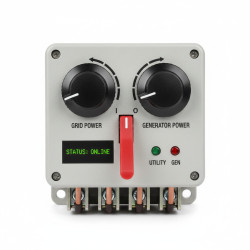
Step 4: Test Switch Handle Operation. Carefully move the changeover switch handle between the ‘Utility’, ‘Off’, and ‘Generator’ positions. The handle should move smoothly without excessive force, sticking, or grinding noises. If it feels stiff or stuck, do not force it.
Step 5
Step 5: Observe External Wiring for Damage. Without opening the main switch casing, visually check any visible external wiring (e.g., conduits, cable entries) leading to or from the switch. Look for fraying, cuts, exposed conductors, or signs of overheating. Do NOT touch any wires.
Step 6
Step 6: Clean the Switch Exterior. Use a clean, dry cloth to carefully wipe away any dust, dirt, or debris from the exterior surface of the changeover switch. Ensure any ventilation holes (if present) are clear and unobstructed.
Step 7
Step 7: Reconnect Power and Test Functionality. First, turn on your generator. Switch the changeover to the ‘Generator’ position and check if power is restored. Once utility power returns, switch to ‘Utility’ position and then turn on your main utility breaker. Verify correct power transfer.
Step 8
Step 8: Final Check & Disconnect (If Issues Found). After testing, if any issues were noted during the inspection or if the switch did not operate correctly, immediately turn off all power sources again (utility and generator) and contact a qualified electrician.
Common mistakes
- Failing to turn off both utility and generator power before beginning the inspection.
- Opening the main changeover switch casing or touching internal wiring without professional expertise.
- Ignoring minor visible damage, which can lead to larger, more dangerous problems.
- Forcing a stiff or stuck switch handle, potentially causing internal damage.
- Attempting complex electrical repairs or wiring adjustments without proper knowledge or tools.
When to call a professional
- If you observe any burn marks, melted plastic, unusual smells (like burning), or hear buzzing/humming noises.
- If the switch handle is stuck, stiff, or requires excessive force to move between positions.
- If power is not transferring correctly or reliably between utility and generator sources.
- If you see any loose, frayed, discolored, or exposed internal or external wiring.
- If the switch casing is cracked, heavily damaged, or not securely mounted.
- If you are unsure about any step, uncomfortable performing the check, or lack confidence in handling electrical components.
Want this done properly without the hassle?
Aap DIY try kar sakte hain, lekin agar time nahi ya confidence kam ho, to professional bula lena better hota hai. Galat step se damage ya safety issue ho sakta hai.