How to prevent common Generator Changeover Switch problems and when to call a pro
Want this done properly without the hassle?
Aap DIY try kar sakte hain, lekin agar time nahi ya confidence kam ho, to professional bula lena better hota hai. Galat step se damage ya safety issue ho sakta hai.
Quick answer (read this first)
- Regularly inspect for loose wiring and damage.
- Maintain cleanliness of the switch.
- Verify secure earthing connections.
- Prevent overloading the switch and generator.
Safety first
- ALWAYS turn off both main grid supply and generator power before any inspection or maintenance.
- Use insulated tools to prevent electric shock.
- Do not touch bare wires or damaged components.
- If you are unsure or uncomfortable, always call a qualified electrician.
Tools you may need
- Insulated screwdriver set
- Cleaning brush or dry cloth
- Contact cleaner spray (optional)
- Multimeter (for advanced checks by a professional)
Step-by-step
Step 1
Prioritize Safety: Completely disconnect both the main grid supply and generator power before beginning any work.
Step 2
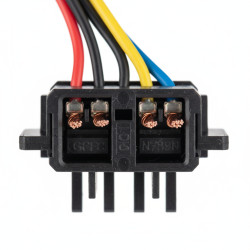
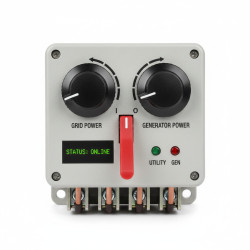
Visual Inspection: Carefully examine the changeover switch for any signs of physical damage, burn marks, discoloration, or loose wiring.
Step 3
Cleanliness Check: Use a dry brush or clean cloth to remove dust, dirt, or debris from the switch terminals and accessible internal components.
Step 4
Secure Connections: Gently test all wire connections to the switch. Tighten any screws that feel loose to ensure a secure electrical contact.
Step 5
Verify Earthing: Confirm that the earthing wire is firmly connected to both the switch body and your home’s main earthing point.
Step 6
Test Functionality: First, restore generator power, then the main grid supply. Carefully operate the changeover switch, observing its transition between generator and grid modes.
Step 7
Observe Performance: During the switchover, listen for unusual sounds (e.g., buzzing, clicking) and check for any power flickering or interruptions.
Common mistakes
- Forgetting to turn off all power sources before inspection.
- Ignoring corroded or loose wire connections.
- Overloading the changeover switch beyond its rated capacity.
- Using incorrect wire gauges for connections to the switch.
- Attempting complex internal repairs without proper electrical knowledge.
When to call a professional
- If you notice persistent power flickering or outages.
- If there is a burning smell, smoke, or visible sparks from the switch.
- When the switch is physically damaged or not operating correctly.
- You are unsure about any step or uncomfortable performing the inspection.
- For new installations, major repairs, or wiring modifications.
Want this done properly without the hassle?
Aap DIY try kar sakte hain, lekin agar time nahi ya confidence kam ho, to professional bula lena better hota hai. Galat step se damage ya safety issue ho sakta hai.