DIY Kitchen Cabinet Hydraulic Pump: Step-by-Step Troubleshooting and When to Call a Professional
Want this done properly without the hassle?
Aap DIY try kar sakte hain, lekin agar time nahi ya confidence kam ho, to professional bula lena better hota hai. Galat step se damage ya safety issue ho sakta hai.
Quick answer (read this first)
- Tighten loose screws, clean the piston rod, and apply silicone lubricant—most issues resolve in under 10 minutes without replacing parts.
Safety first
- Wear safety goggles to protect your eyes from dust, debris, or sudden spring release.
- Never force a cabinet door open or closed—this can rupture the hydraulic cylinder or damage the cabinet frame.
- Avoid oil-based lubricants like WD-40 or motor oil—they attract dirt, degrade seals, and can stain wooden cabinets in Pakistan’s humid climate.
- Do not attempt to disassemble or puncture the hydraulic unit—it contains pressurized fluid and can cause injury or mess.
Tools you may need
- Phillips screwdriver
- Microfiber cloth
- Silicone-based lubricant spray
- Small brush or old toothbrush
Step-by-step
Step 1
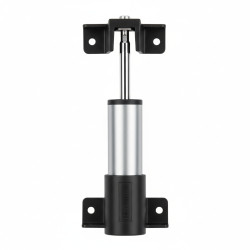
Open the cabinet door fully and visually inspect the hydraulic hinge for cracks, rust, or fluid leaks around the piston rod.
Step 2
Use a Phillips screwdriver to tighten all screws on the hinge and mounting plate—loose fasteners are the most common cause of wobbling or slow closure.
Step 3
Gently wipe the piston rod with a microfiber cloth to remove dust, grease, and debris that may be causing friction.
Step 4
Use a small brush to clean crevices around the hinge where dirt accumulates, especially in dusty Pakistani homes.
Step 5
Apply one short burst of silicone-based lubricant directly onto the piston rod—avoid spraying near wood surfaces or hinges to prevent staining.
Step 6
Slowly open and close the door 8–10 times to evenly distribute the lubricant and test smoothness of motion.
Common mistakes
- Using WD-40, motor oil, or other petroleum-based sprays—they attract dust, break down rubber seals, and leave sticky residue in humid conditions.
- Over-tightening screws—this can strip threads in MDF or particleboard cabinets common in Pakistan, leading to permanent damage.
- Ignoring small fluid leaks—any visible oil or grease near the hinge means the seal is compromised and failure is imminent.
- Attempting to open or repair the sealed hydraulic unit—these are factory-assembled and cannot be safely serviced by homeowners.
When to call a professional
- The hydraulic piston is visibly leaking fluid onto the cabinet or floor.
- The door slams shut forcefully or won’t stay open at all—indicating internal pressure loss.
- The hinge is cracked, bent, or completely detached from the cabinet frame.
- All DIY steps have been followed correctly and the issue remains unresolved after 24 hours.
Want this done properly without the hassle?
Aap DIY try kar sakte hain, lekin agar time nahi ya confidence kam ho, to professional bula lena better hota hai. Galat step se damage ya safety issue ho sakta hai.