How to do a basic Water Motor Install safety check and quick fixes
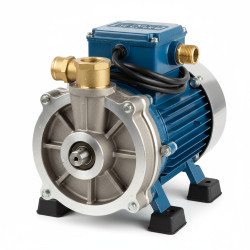
Want this done properly without the hassle?
Aap DIY try kar sakte hain, lekin agar time nahi ya confidence kam ho, to professional bula lena better hota hai. Galat step se damage ya safety issue ho sakta hai.
Quick answer (read this first)
- Always turn off the main power supply to the motor before inspection.
- Inspect power cables for damage and confirm proper earthing.
- Check for visible leaks, corrosion, and unusual operating noises.
- Clean air vents regularly to prevent overheating.
- Secure any loose non-electrical connections carefully.
Safety first
- Always turn off the main power supply to the motor at the breaker before any inspection or repair.
- Never touch exposed wires or attempt to fix electrical faults yourself.
- Wear insulated gloves and use insulated tools when working near electrical components.
- Ensure the motor and surrounding area are completely dry to prevent electrical hazards.
- Do not proceed with any task you are unsure about; call a qualified electrician.
Tools you may need
- Screwdriver set (insulated preferred)
- Pliers (insulated preferred)
- Cleaning cloth or soft brush
- Flashlight
Step-by-step
Step 1
Step 1: Switch Off Power Safely. Locate and completely switch off the main power supply to the water motor at your household’s circuit breaker. Confirm the motor is entirely powered down before proceeding.
Step 2
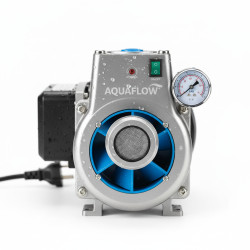
Step 2: Conduct a Thorough Visual Inspection. Look for any visible signs of physical damage on the motor casing, leaks around the motor or connected pipes, and corrosion on non-electrical fasteners or fittings.
Step 3
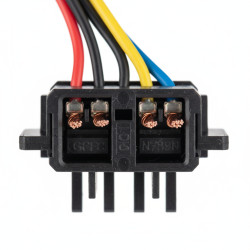
Step 3: Inspect Power Cables and Connections. Carefully examine the power cable for any cuts, frayed insulation, cracks, or signs of burning. Ensure the cable is securely fastened and not pinched or stressed.
Step 4
Step 4: Check Earthing/Grounding Wire. Verify that the motor’s earthing (grounding) wire is securely connected to its designated ground point. A robust earth connection is vital for safety.
Step 5
Step 5: Listen for Abnormal Noises (If Applicable). If the motor was operational before powering down, recall any grinding, humming, vibrating, or squealing noises that seemed unusual, as these indicate internal issues.
Step 6
Step 6: Clean Air Vents. Gently remove any accumulated dust, dirt, or debris from the motor’s air vents using a cleaning cloth or a soft brush. Blocked vents can lead to dangerous overheating.
Step 7
Step 7: Tighten Non-Electrical Fasteners. Carefully tighten any visibly loose bolts, nuts, or clamps on non-electrical components, such as pipe connections or motor mounts, ensuring no leaks are introduced.
Step 8
Step 8: Restore Power and Monitor Operation. Once checks are complete and only minor, safe adjustments have been made, restore the main power. Observe the motor carefully for startup, consistent water flow, and any new unusual sounds or leaks during operation.
Common mistakes
- Failing to turn off the main power supply before starting any inspection or repair.
- Ignoring minor leaks or unusual noises, which can escalate into major problems.
- Attempting to repair complex electrical faults without proper training or tools.
- Neglecting to regularly clean motor vents, leading to overheating and reduced lifespan.
- Using non-insulated tools or working with wet hands near electrical components.
When to call a professional
- If you detect any burning smells, smoke, or visible sparks from the motor or wiring.
- If the water motor frequently trips your circuit breaker or fuse.
- If there are significant water leaks directly from the motor unit itself, not just pipe connections.
- When troubleshooting electrical wiring issues, such as motor not starting or erratic operation.
- If the motor makes loud, grinding, or abnormal noises that persist after basic checks.
- For any repairs that go beyond simple cleaning, external visual inspection, or tightening non-electrical fittings.
Want this done properly without the hassle?
Aap DIY try kar sakte hain, lekin agar time nahi ya confidence kam ho, to professional bula lena better hota hai. Galat step se damage ya safety issue ho sakta hai.