How to Prevent Common AC Dismounting and Removal Problems
Want this done properly without the hassle?
Aap DIY try kar sakte hain, lekin agar time nahi ya confidence kam ho, to professional bula lena better hota hai. Galat step se damage ya safety issue ho sakta hai.
Quick answer (read this first)
- Always turn off power to the AC unit at the main circuit breaker first.
- Never attempt refrigerant recovery or electrical disconnections yourself – these are strictly professional tasks.
- Ensure units are properly supported and lifted with assistance to prevent damage or injury.
- Call a certified AC technician for all refrigerant and electrical work during dismounting.
- Carefully cap all open lines immediately after disconnection to prevent system contamination.
Safety first
- Absolutely cut the AC’s power at the main circuit breaker before touching any part of the unit or wiring.
- Wear sturdy work gloves, long sleeves, and eye protection to prevent cuts and scrapes.
- Never attempt to disconnect electrical wiring or handle refrigerant yourself without proper training, tools, and certification. This is highly dangerous and illegal.
- Ensure a clear and unobstructed path around both indoor and outdoor units, and maintain stable footing.
- Always enlist adequate help for lifting and moving heavy indoor and outdoor units to prevent back injuries.
- Use a voltage tester to confirm that power is completely off before proceeding with any manual work on the unit.
Tools you may need
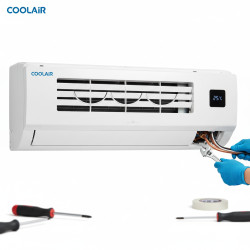
- Screwdriver set (Phillips, flathead) for panel and mounting screws
- Adjustable wrench (for non-refrigerant connections if applicable)
- Pliers
- Voltage tester (essential for confirming power is off)
- Safety gloves
- Eye protection
- Marking pen or labels for wires (for potential reinstallation)
- Duct tape or caps for sealing lines (for professional use or after professional work)
- Bucket or bag for collected screws and small parts
Step-by-step
Step 1
Step 1: Safely Disconnect All Power: Locate the main circuit breaker controlling your AC unit (usually in the main electrical panel) and switch it to the ‘OFF’ position. Crucially, use a voltage tester to confirm that no power is flowing to the unit.
Step 2
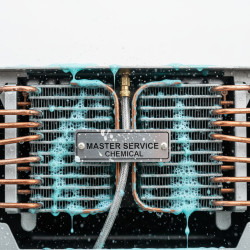
Step 2: Clean Units and Clear Area: Lightly clean both the indoor and outdoor units to prevent dust and debris from entering the system during removal. Ensure the area around both units is clear of obstacles, planning a safe route for movement.
Step 3
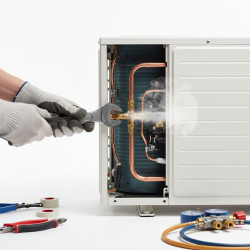
Step 3: MANDATORY Professional Service - Refrigerant Recovery: This step must be handled exclusively by a certified AC technician. They use specialized equipment to safely recover all refrigerant, preventing environmental harm and serious personal injury. Do NOT attempt this yourself.
Step 4
Step 4: MANDATORY Professional Service - Electrical Disconnection: After refrigerant recovery, the certified technician will safely disconnect all electrical wiring from both the indoor and outdoor units. Verify with them that all electrical connections are completely isolated and safe.
Step 5
Step 5: Loosen Mounting Hardware (After Professional Work): Only after a professional has confirmed all refrigerant is recovered and electricals are safely disconnected, you or the professional can carefully remove the screws or bolts securing the indoor and outdoor units to their respective mounts or brackets. Keep all hardware organized.
Step 6
Step 6: Carefully Remove Indoor Unit: With adequate assistance, gently lift the indoor unit from its wall bracket. Immediately cap or tape any open lines to prevent dirt and moisture from contaminating the system for future reinstallation.
Step 7
Step 7: Carefully Remove Outdoor Unit: With assistance, carefully lift the outdoor unit from its mounting pad. Again, immediately cap or tape any open lines to prevent contamination.
Step 8
Step 8: Organize and Store Components: Place all removed screws, caps, brackets, and any other small parts into clearly labeled bags or containers. This organization is vital for potential future reinstallation or proper disposal.
Common mistakes
- Forgetting or failing to properly turn off power at the main breaker before starting any work.
- Attempting to handle refrigerant or electrical wiring without certified professional training and tools.
- Damaging delicate copper lines, fins, or other components by bending or forceful handling during removal.
- Dropping or improperly handling units due to insufficient support, lack of assistance, or poor lifting techniques.
- Not immediately capping or taping disconnected lines, allowing moisture, dirt, and debris to enter the system.
- Failing to label electrical wires before disconnection, complicating future reinstallation and increasing risks.
When to call a professional
- Always, without exception, for refrigerant recovery, handling, or recharging.
- Always, for safely disconnecting or reconnecting any electrical wiring on the AC unit.
- If the AC unit is exceptionally heavy, awkwardly placed, or requires specialized lifting equipment to move safely.
- If you detect any signs of refrigerant leaks, such as oily residue, hissing sounds, or unexplained cooling issues.
- For expert capping and sealing of lines to prevent contamination and ensure system integrity, especially if you plan to reinstall the unit.
- If you are uncertain or uncomfortable with any part of the dismounting process, particularly complex or delicate steps.
Want this done properly without the hassle?
Aap DIY try kar sakte hain, lekin agar time nahi ya confidence kam ho, to professional bula lena better hota hai. Galat step se damage ya safety issue ho sakta hai.