How to prevent common Ac Gas Refill R22 problems and when to call a pro
Want this done properly without the hassle?
Aap DIY try kar sakte hain, lekin agar time nahi ya confidence kam ho, to professional bula lena better hota hai. Galat step se damage ya safety issue ho sakta hai.
Quick answer (read this first)
- Regularly clean air filters and outdoor coils to maintain AC efficiency and prevent system strain that can mimic or worsen R22 issues.
- Monitor your AC for signs like reduced cooling, ice buildup, or unusual hissing/gurgling sounds, which often indicate refrigerant problems.
- Never attempt to check, top up, or handle R22 refrigerant yourself; it’s a hazardous, high-pressure gas requiring specialized tools and certified professionals.
- Call a pro immediately if you suspect an R22 leak or your AC is blowing warm air, as unauthorized handling is illegal and dangerous.
Safety first
- Always turn off and disconnect power to your AC unit at the circuit breaker before any inspection or cleaning to prevent electric shock.
- NEVER attempt to open refrigerant lines, check pressure, or refill R22 gas yourself. R22 is a hazardous, high-pressure chemical that requires specialized tools and certified professional handling.
- Direct contact with R22 refrigerant can cause severe chemical burns, frostbite, and respiratory distress.
- Wear appropriate protective gear, such as gloves and eye protection, when cleaning outdoor AC components to prevent injury from sharp fins or debris.
Tools you may need
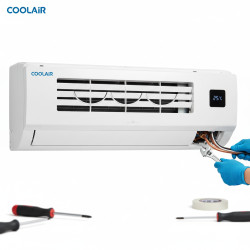
- Screwdriver (for removing panel screws, if necessary)
- Soft brush or vacuum cleaner (for cleaning indoor air filters and outdoor coil surface)
- Garden hose (for gently rinsing outdoor condenser coils)
- Thermometer (to monitor room temperature and evaluate AC performance)
Step-by-step
Step 1
Maintain Clean Air Filters: Regularly clean or replace your AC’s air filters (every 2-4 weeks during peak use). Dirty filters restrict airflow, causing the system to overwork, which can stress refrigerant lines and mimic low gas symptoms.
Step 2
Keep Outdoor Unit Clear: Inspect and remove any leaves, dirt, or debris from around the outdoor condenser unit. Obstructions hinder heat exchange and force the compressor to work harder, impacting overall system efficiency.
Step 3
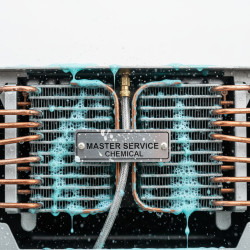
Clean Condenser Coils: With power disconnected, gently rinse the outdoor condenser coils with a garden hose. Clean coils ensure efficient heat transfer, reducing strain on the refrigerant system.
Step 4
Monitor for Ice Buildup: Regularly check both indoor coils and outdoor refrigerant lines for ice. Ice formation is a critical indicator of low refrigerant or severe airflow issues, requiring immediate attention.
Step 5
Observe Cooling Performance: Pay close attention to how effectively your AC cools. If rooms take longer to cool or the system runs continuously without reaching the set temperature, it might signal a refrigerant deficiency.
Step 6
Listen for Leak Sounds: Be alert for unusual hissing, bubbling, or gurgling noises coming from your AC unit. These sounds are often tell-tale signs of a refrigerant leak that needs professional diagnosis.
Step 7
Ensure Proper Sealing: Verify that windows and doors are well-sealed. Leaky seals force your AC to work harder to maintain temperature, putting unnecessary stress on the system and its refrigerant.
Common mistakes
- Ignoring routine maintenance like cleaning air filters and outdoor coils, which are vital for AC health and prevent symptoms often mistaken for R22 issues.
- Attempting DIY R22 gas refilling or ‘topping up.’ This is extremely dangerous, illegal in many places, and can severely damage your unit and harm the environment.
- Assuming low refrigerant is the only cause of poor cooling without checking other common, simpler problems first, such as dirty filters or thermostats.
- Delaying addressing minor AC performance issues, allowing them to escalate into major, costly repairs involving refrigerant leaks or compressor failure.
- Failing to disconnect power before any inspection or cleaning, risking electric shock.
When to call a professional
- If your AC is blowing warm or merely cool air, even after performing basic maintenance and checking settings.
- When you observe any ice formation on the indoor evaporator coils or the outdoor refrigerant lines, indicating potential low refrigerant or severe airflow issues.
- If you detect persistent hissing, bubbling, or gurgling sounds, which are strong indicators of a refrigerant (R22) leak.
- If your electricity bills have suddenly spiked without a corresponding increase in AC usage, suggesting inefficient operation often due to refrigerant problems.
- When the AC unit cycles on and off rapidly (short cycling), indicating potential compressor issues or an improperly charged system.
- Immediately if you suspect an R22 refrigerant leak or require a gas refill. R22 is a controlled substance, and its handling, recovery, and recharging must be performed by certified technicians with specialized equipment.
Want this done properly without the hassle?
Aap DIY try kar sakte hain, lekin agar time nahi ya confidence kam ho, to professional bula lena better hota hai. Galat step se damage ya safety issue ho sakta hai.