How to Prevent Common AC General Service Problems and When to Call a Pro
Want this done properly without the hassle?
Aap DIY try kar sakte hain, lekin agar time nahi ya confidence kam ho, to professional bula lena better hota hai. Galat step se damage ya safety issue ho sakta hai.
Starting from
Rs. 2000
Quick answer (read this first)
- Clean or replace air filters monthly.
- Ensure outdoor unit is free of obstructions.
- Inspect the condensate drain for blockages.
- Monitor for unusual noises, leaks, or diminished cooling.
- Schedule professional AC service annually.
Safety first
- Always turn off the AC unit at the main circuit breaker before any maintenance to prevent electric shock.
- Never attempt electrical repairs or refrigerant handling yourself; always call a qualified professional.
- Wear gloves and a mask when cleaning filters or coils to avoid dust inhalation and sharp edges.
- Be cautious when working near the delicate fins of the outdoor unit to avoid damage.
- Do not spray water directly onto any electrical components of the AC unit.
Tools you may need
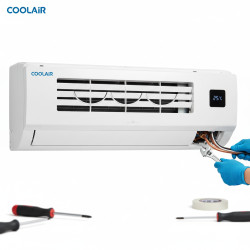
- Screwdriver set
- Soft brush
- Garden hose with gentle spray nozzle
- Vacuum cleaner
- Microfiber cloth
- Gloves and mask
Step-by-step
Step 1
- Turn Off Power Safely: Locate and switch off the main circuit breaker for your AC unit before starting any work to prevent electric shock.
Step 2
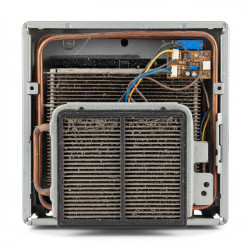
- Clean or Replace Air Filters: Open the indoor unit, carefully remove the air filters. Clean reusable filters with a vacuum or wash with mild soap and water; ensure they are completely dry before reinsertion. Replace disposable filters monthly.
Step 3
- Clear Outdoor Unit Surroundings: Remove all leaves, grass, dirt, and debris from around the outdoor condenser unit. Ensure at least two feet of clear space on all sides for optimal airflow.
Step 4
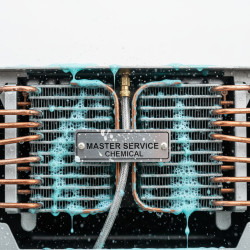
- Gently Clean Condenser Coils: Using a soft brush or a garden hose with a gentle spray, carefully remove dirt and dust from the outdoor condenser coils. Avoid bending the delicate metal fins.
Step 5
- Inspect Condensate Drain Line: Check the drain pipe for any blockages. If accessible, pour one cup of distilled vinegar into the drain pan to deter algae and maintain clear drainage.
Step 6
- Monitor for Leaks & Unusual Noises: After restoring power, visually inspect for any water leaks. Listen for strange grinding, rattling, or squealing sounds, and note any decrease in cooling efficiency.
Step 7
- Optimize Thermostat Settings: Set your thermostat to an energy-efficient temperature. Utilize programmable features to optimize cooling schedules and reduce energy consumption.
Common mistakes
- Forgetting to turn off the main power supply before starting any AC maintenance tasks.
- Using high-pressure water directly on outdoor coils, which can easily damage the delicate fins.
- Ignoring dirty air filters for extended periods, leading to reduced efficiency and impaired airflow.
- Attempting complex electrical or refrigerant repairs without professional training and tools.
- Blocking the outdoor unit with plants, furniture, or other obstructions, thereby impeding crucial airflow.
When to call a professional
- The AC is not cooling effectively despite your thorough cleaning efforts and proper thermostat settings.
- You hear loud grinding, banging, persistent squealing, or other abnormal noises from the unit.
- There are visible water leaks inside the house or a noticeable odor indicating a refrigerant leak.
- You experience electrical issues such as frequently tripping circuit breakers or a burning smell originating from the unit.
- Ice buildup is present on the indoor coils or outdoor refrigerant lines, which indicates a serious problem.
- For annual pre-season maintenance checks, gas top-ups, and comprehensive diagnostic services.
Want this done properly without the hassle?
Aap DIY try kar sakte hain, lekin agar time nahi ya confidence kam ho, to professional bula lena better hota hai. Galat step se damage ya safety issue ho sakta hai.
Starting from
Rs. 2000
100% Money Back Guarantee
If you are not satisfied with the service