How to Prevent Common Gas Geyser Problems and When to Call a Pro
Want this done properly without the hassle?
Aap DIY try kar sakte hain, lekin agar time nahi ya confidence kam ho, to professional bula lena better hota hai. Galat step se damage ya safety issue ho sakta hai.
Quick answer (read this first)
- Regularly clean exterior, air vents, and exhaust flue for optimal airflow.
- Perform routine checks for gas and water leaks using soapy water.
- Always ensure adequate and unobstructed ventilation in the geyser area.
- Monitor pilot light for consistent flame; address flickering or outages promptly.
Safety first
- Always ensure adequate ventilation in the geyser area to prevent carbon monoxide buildup.
- Never ignore the smell of gas; turn off the main gas supply immediately and evacuate the area.
- Do not attempt complex repairs on gas lines, valves, or internal components without professional expertise.
- Turn off both the main gas supply and the geyser’s cold water inlet before performing any maintenance.
- Wear protective gloves to prevent injury during cleaning or inspection.
Tools you may need
- Screwdriver set
- Adjustable wrench
- Soft brush or cloth
- Soapy water (for leak detection)
- Bucket (for draining)
Step-by-step
Step 1
Prioritize Safety First: Before touching anything, turn off the main gas supply to your home and the cold water inlet valve to the geyser.
Step 2
Inspect for Gas Leaks: Apply a soapy water solution to all visible gas pipe connections. Bubbles indicate a leak; turn off gas, ventilate, and call a professional immediately. Do not proceed if a leak is found.
Step 3
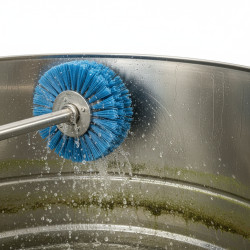
Clean Exterior and Vents: Use a soft brush or cloth to clean the geyser’s exterior, including air vents and the exhaust flue. Ensure no dust or debris obstructs airflow.
Step 4
Clean Pilot Assembly & Burner (If Safe): If your geyser model allows safe access, carefully open the combustion chamber cover. Gently brush away any dust or soot from the pilot light assembly and main burner. Close securely.
Step 5
Flush Sediment (Optional, If Comfortable): Place a bucket under the geyser’s drain valve. Open the cold water inlet valve slightly and then open the drain valve to flush out sediment until the water runs clear. Close the drain valve securely.
Step 6
Check Water Connections: Inspect water inlet and outlet pipes for any signs of corrosion or minor leaks. Gently tighten any loose connections with an adjustable wrench.
Step 7
Restore Power & Relight: Once all maintenance is complete, fully open the cold water inlet valve, and then slowly turn the main gas supply back on. Carefully relight the pilot light following your geyser’s manufacturer instructions.
Common mistakes
- Ignoring faint or persistent gas smells, which are critical safety hazards.
- Obstructing geyser vents or surrounding area, leading to dangerous CO buildup.
- Attempting complex repairs on gas lines, valves, or internal components without professional training.
- Neglecting regular descaling and cleaning, causing sediment buildup, inefficiency, and damage.
- Using incompatible or substandard spare parts and seals during DIY fixes.
When to call a professional
- You detect a strong or persistent gas smell, even after turning off the main supply.
- The pilot light frequently extinguishes or struggles to stay lit consistently.
- The geyser fails to heat water adequately, produces no hot water, or is overheating.
- You observe water leaking directly from the geyser’s tank, pressure relief valve, or connections.
- Unusual banging, hissing, popping, or rumbling noises emanate from the geyser.
- You are uncertain about any maintenance step or suspect an issue beyond basic troubleshooting.
Want this done properly without the hassle?
Aap DIY try kar sakte hain, lekin agar time nahi ya confidence kam ho, to professional bula lena better hota hai. Galat step se damage ya safety issue ho sakta hai.