DIY Water Motor Installation: Step-by-Step Troubleshooting and When to Call a Professional
Want this done properly without the hassle?
Aap DIY try kar sakte hain, lekin agar time nahi ya confidence kam ho, to professional bula lena better hota hai. Galat step se damage ya safety issue ho sakta hai.
Quick answer (read this first)
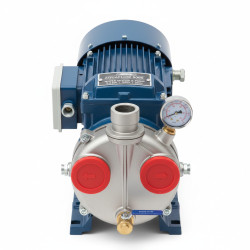
- First, turn off power, check water supply, and inspect for leaks. If the motor hums but doesn’t pump, the capacitor may be faulty—replace it only if you’re confident; otherwise, call a professional.
Safety first
- Always turn off the main power supply at the circuit breaker before touching any wires or motor components.
- Never work on the motor with wet hands, bare feet, or on a wet floor—use rubber-soled shoes and dry surfaces.
- Do not bypass fuses, circuit breakers, or use frayed or damaged power cords under any circumstances.
- Wear safety goggles and insulated gloves to protect against electrical sparks and flying debris.
- If you smell burning or see smoke, cut power immediately and do not attempt further repairs.
Tools you may need
- Screwdriver set
- Wrench set
- Voltage tester
- Teflon tape
- Bucket and towel
- Gloves and safety goggles
Step-by-step
Step 1
Turn off the main power supply at the circuit breaker and shut the water inlet valve to stop water flow.
Step 2
Check the water source—ensure the overhead tank or borewell has adequate water and the inlet filter is not clogged.
Step 3
Inspect all pipes, joints, and fittings for leaks or looseness; tighten with a wrench and reseal with Teflon tape where needed.
Step 4
Restore power briefly and listen: a humming sound without water flow indicates possible capacitor failure or motor obstruction.
Step 5
If accessible, open the capacitor housing and check for bulging, leaking, or charring—replace only with an exact voltage and microfarad-rated capacitor.
Step 6
Turn power back on and observe: water should flow within 30 seconds. If there’s no flow, unusual noise, or tripping, shut off power and call a professional.
Common mistakes
- Skipping power disconnection before starting repairs, risking electric shock.
- Using a capacitor with incorrect rating—this can overheat and destroy the motor.
- Running the motor with an empty tank, causing irreversible damage to the impeller and bearings.
- Over-tightening plastic or PVC pipe fittings, leading to cracks and future leaks.
- Assuming any motor noise means it’s working—humming without water flow is a warning sign, not normal operation.
When to call a professional
- The motor makes loud grinding, screeching, or metallic clanking sounds.
- Water pressure remains weak even after cleaning pipes and replacing the capacitor.
- You smell burning plastic, see smoke, or notice discoloration on the motor casing.
- You are unsure about handling electrical wiring, capacitor replacement, or motor internals.
- The circuit breaker trips repeatedly when the motor starts, indicating a serious electrical fault.
Want this done properly without the hassle?
Aap DIY try kar sakte hain, lekin agar time nahi ya confidence kam ho, to professional bula lena better hota hai. Galat step se damage ya safety issue ho sakta hai.