DIY Water Tank Cleaning: Step-by-Step Troubleshooting and When to Call a Professional
Want this done properly without the hassle?
Aap DIY try kar sakte hain, lekin agar time nahi ya confidence kam ho, to professional bula lena better hota hai. Galat step se damage ya safety issue ho sakta hai.
Quick answer (read this first)
- Turn off water supply, drain tank, scrub with mild soap and brush, rinse thoroughly, disinfect with diluted bleach, flush until odor is gone.
- Call a professional if tank has cracks, persistent smells, contamination, is over 10 feet deep, or you feel unwell during cleaning.
Safety first
- Wear waterproof gloves, a mask, and non-slip footwear to protect against chemicals and slippery surfaces.
- Never enter a water tank alone—always have someone outside to assist and call for help if needed.
- Never mix bleach with ammonia, vinegar, or other cleaners—it creates toxic fumes.
- Ensure the tank is well-ventilated before entering; use a flashlight to check for hazards.
- Keep children and pets away from the cleaning area to prevent accidental exposure.
Tools you may need
- Stiff-bristle brush or scrubbing pad
- Bucket and mop
- Mild detergent or dish soap
- Measuring cup for accurate bleach dilution
- Gloves and N95 face mask
- Flashlight or headlamp
Step-by-step
Step 1
Turn off the main water supply and close the inlet valve to prevent new water from entering during cleaning.
Step 2
Drain the tank completely using the outlet tap or a siphon pump—emptying all water is critical for effective cleaning.
Step 3
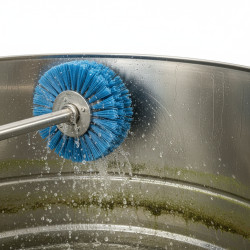
Scrub the interior walls, corners, and bottom with a brush and mild soap solution to remove dirt, algae, and sludge.
Step 4
Rinse the tank thoroughly with clean water, repeating until no soap residue or foam remains.
Step 5
Mix 1 cup of household bleach with 20 liters of clean water, then use this solution to scrub all surfaces again and let it sit for 30 minutes to disinfect.
Step 6
Flush the tank with fresh water multiple times until the bleach smell is completely gone, then refill and run water through all taps for at least 5 minutes.
Common mistakes
- Skipping the final rinse, leaving bleach or soap residue that contaminates drinking water.
- Using harsh chemicals like hydrochloric acid or industrial solvents that damage tank lining and poison water.
- Failing to turn off the water supply, causing refilling during cleaning and reducing effectiveness.
- Only cleaning the upper walls and ignoring sludge buildup at the bottom where bacteria thrive.
- Overlooking rust, hairline cracks, or peeling lining—these can lead to leaks and long-term contamination.
When to call a professional
- Tank shows visible cracks, leaks, or structural damage that could worsen with DIY efforts.
- Water has a foul, musty, or chemical odor even after thorough cleaning and flushing.
- You find insect nests, animal droppings, or debris inside the tank indicating contamination.
- Tank depth exceeds 10 feet or requires ladders, harnesses, or confined space entry.
- You experience dizziness, nausea, breathing difficulty, or eye irritation during cleaning.
Want this done properly without the hassle?
Aap DIY try kar sakte hain, lekin agar time nahi ya confidence kam ho, to professional bula lena better hota hai. Galat step se damage ya safety issue ho sakta hai.