DIY Washing Machine Point
Want this done properly without the hassle?
Aap DIY try kar sakte hain, lekin agar time nahi ya confidence kam ho, to professional bula lena better hota hai. Galat step se damage ya safety issue ho sakta hai.
Quick answer (read this first)
- Check power, water supply, and drain first—most issues are simple fixes.
- Never force parts or bypass safety locks—call a pro if unsure.
Safety first
- Unplug the machine before any inspection or repair to avoid electric shock.
- Wear rubber-soled shoes and dry gloves to protect against water and electricity risks.
- Do not open the motor housing, control panel, or internal wiring—these contain live electrical components.
- Turn off the water supply before disconnecting hoses to prevent flooding.
- Never operate the machine if the drum is unbalanced or if you hear unusual noises.
Tools you may need
- Screwdriver set
- Towel or bucket
- Plunger or wire hanger
- Measuring cup
- Gloves and safety goggles
Step-by-step
Step 1
Unplug the washing machine and shut off the water inlet valve to ensure safety before any work.
Step 2
Test the power outlet by plugging in another device like a phone charger—many issues stem from faulty sockets.
Step 3
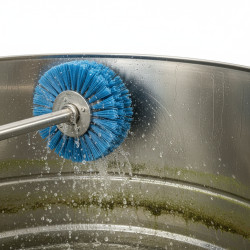
Inspect the water inlet hose for kinks, cracks, or blockages, and clean the inlet filter using a soft brush.
Step 4
Clear drain clogs using a plunger or straightened wire hanger—remove lint and debris from the pump area if accessible.
Step 5
Run an empty hot water cycle with one cup of white vinegar to dissolve soap residue and mineral buildup inside the drum.
Step 6
Reconnect all hoses, turn the water back on, plug in the machine, and run a short spin cycle with a small load to test performance.
Common mistakes
- Skipping the power check—faulty outlets or tripped circuit breakers are often the real cause of failure.
- Using too much detergent, which causes excess suds, drain blockages, and motor strain in Pakistan’s hard water conditions.
- Forcing the lid open or overriding the safety lock while the machine is running, risking injury or internal damage.
- Ignoring minor leaks—small drips from hoses or seals can lead to floor rot, mold, or electrical hazards over time.
- Using harsh chemical cleaners that corrode rubber seals and plastic parts, shortening the machine’s lifespan.
When to call a professional
- The machine won’t start even after checking power, water, and door lock.
- You hear grinding, screeching, or loud banging from the motor or drum area.
- Water is leaking uncontrollably from the bottom, sides, or base of the machine.
- The control panel is blank, flashing error codes, or completely unresponsive.
- The drum doesn’t spin or agitate, even though the motor runs.
Want this done properly without the hassle?
Aap DIY try kar sakte hain, lekin agar time nahi ya confidence kam ho, to professional bula lena better hota hai. Galat step se damage ya safety issue ho sakta hai.