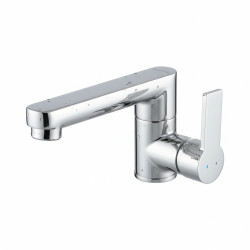
How to Prevent Common Mixer Tap Installation Problems
Want this done properly without the hassle?
Aap DIY try kar sakte hain, lekin agar time nahi ya confidence kam ho, to professional bula lena better hota hai. Galat step se damage ya safety issue ho sakta hai.
Quick answer (read this first)
- Always turn off the main water supply before starting.
- Use plumber’s tape on all threaded connections for a secure seal.
- Ensure all connections are hand-tight, then use a wrench for a final quarter turn without overtightening.
- Check for leaks immediately after installation by slowly turning the water back on.
Safety first
- Turn off the main water supply to prevent unexpected floods.
- Wear safety glasses to protect your eyes from debris or splashes.
- Use gloves to prevent cuts and scrapes from tools or sharp edges.
- Be cautious when working in confined spaces under sinks to avoid injury.
Tools you may need
- Adjustable wrench or basin wrench
- Plumber’s tape (PTFE tape)
- Screwdriver set (Phillips and flathead)
- Bucket or old towels for catching water drips
- Torch light or headlamp (for visibility under the sink)
Step-by-step
Step 1
Locate and turn off your home’s main water supply. Open existing taps to drain any residual water from the lines.
Step 2
Carefully disconnect and remove the old tap. Use a basin wrench to loosen nuts underneath the sink and detach the supply lines.
Step 3
Thoroughly clean the tap mounting area on the sink. Remove old sealant, grime, or debris to ensure a clean surface for the new tap’s seal.
Step 4
Position the new mixer tap onto the sink hole. Feed the flexible supply lines and the main mounting stud through the opening.
Step 5
From underneath the sink, secure the tap. Place the rubber washer, metal washer, and tightening nut onto the stud, ensuring the tap is centered and firm.
Step 6
Apply plumber’s tape clockwise to the threads of both hot and cold water supply lines. Connect these lines firmly to the tap’s flexible hoses.
Step 7
Use an adjustable wrench to tighten all connections. Ensure they are snug but avoid excessive force which can damage threads or pipes.
Step 8
Slowly turn the main water supply back on. Carefully inspect all connections and the tap’s base for any immediate signs of leaks or drips.
Common mistakes
- Forgetting to turn off the main water supply, leading to unexpected water flow and potential flooding.
- Not using plumber’s tape (PTFE tape) on threaded connections, which almost always results in persistent leaks.
- Overtightening nuts and stripping threads or cracking plastic components, leading to irreparable damage.
- Incorrectly connecting hot and cold water lines, causing reversed water flow or unexpected temperatures.
- Ignoring minor drips or slow leaks, which can escalate into significant water damage over time.
- Using old or damaged flexible supply lines, which are prone to bursting or leaking under pressure.
When to call a professional
- If you encounter persistent leaks that cannot be resolved after careful re-tightening of connections.
- If the existing plumbing under your sink is corroded, damaged, or requires modifications beyond a simple tap replacement.
- If you experience a significant drop in water pressure after installation, indicating a potential blockage or incorrect fitting.
- If the installation involves complex pipe rerouting, soldering, or requires specialized tools you do not possess.
- If you feel uncomfortable, unsure, or lack the necessary confidence to perform the installation yourself, to prevent costly errors.
Want this done properly without the hassle?
Aap DIY try kar sakte hain, lekin agar time nahi ya confidence kam ho, to professional bula lena better hota hai. Galat step se damage ya safety issue ho sakta hai.