How to Safely Remove and Prevent Motor Air Locks
Want this done properly without the hassle?
Aap DIY try kar sakte hain, lekin agar time nahi ya confidence kam ho, to professional bula lena better hota hai. Galat step se damage ya safety issue ho sakta hai.
Starting from
Rs. 500
Quick answer (read this first)
- Always turn off the motor’s power supply before starting.
- Locate the air bleed valves or highest points in the water system.
- Slowly open each valve to release trapped air until a steady stream of water flows.
- Securely close all valves, then restore power to the motor and check for normal operation.
Safety first
- Always turn off the main electrical supply to the water motor or pump before attempting any work.
- Wear appropriate protective gloves to shield your hands.
- Be aware that water released from the system may be hot if the motor has been running.
- Do not use excessive force on stiff or stuck valves, as this can cause breakage or leaks.
- Avoid direct contact with any exposed electrical wires or components to prevent electric shock.
Tools you may need
- Wrench or pliers (for operating valves/fittings)
- Screwdriver (if bleed points are screw-type caps)
- Bucket or absorbent cloth (to collect discharged water)
Step-by-step
Step 1
- Turn Off Power: Locate and switch off the main electrical supply to your water motor or pump immediately. Confirm the motor is completely off to prevent accidental activation and ensure safety.
Step 2
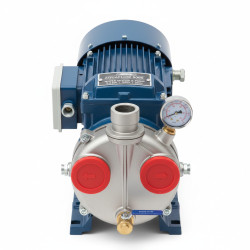
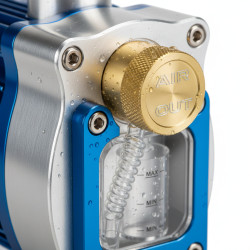
- Identify Bleed Points: Carefully examine your pump and the connected piping for small valves, caps, or plugs. These are typically located at the highest points of the pump or water lines, designed for air release.
Step 3
- Prepare for Water: Position a bucket or lay down absorbent cloths directly beneath each identified air bleed point. This will effectively catch any water that sprays out during the air release process.
Step 4
- Slowly Release Air: Starting with one bleed point, carefully and slowly turn the valve or cap counter-clockwise using the appropriate wrench, pliers, or screwdriver. You should hear a distinct hissing sound as trapped air escapes.
Step 5
- Wait for Water Flow: Keep the valve open until a steady stream of water, free of any air bubbles, emerges. This indicates that all trapped air at that specific point has been successfully expelled.
Step 6
- Close Valve and Repeat: Gently close the bleed valve once water flows consistently. Repeat steps 4 and 5 for any other bleed points you identified within your water system to ensure all air is removed.
Step 7
- Restore Power: Once all bleed points are securely closed and all tools are removed, turn the main electrical power supply back on to your water motor. Listen for smooth operation and observe if water pressure is restored.
Step 8
- Inspect for Leaks: With the system running and water flowing, carefully inspect around all connections, bleed points, and the pump itself for any signs of water leakage. Tighten any loose fittings if necessary.
Common mistakes
- Forgetting to switch off the electrical power supply to the motor before starting work, leading to safety hazards.
- Opening bleed valves too quickly, which can cause an unexpected and forceful spray of water.
- Failing to bleed air from all relevant high points or bleed valves in the entire water system.
- Ignoring the airlock problem for too long, potentially leading to pump overheating, damage, or even failure.
- Mistaking an airlock for other issues like a clogged filter, a faulty pump, or a burst pipe, and attempting the wrong fix.
When to call a professional
- If the motor continues to hum and struggles to pump water even after multiple attempts at air lock removal.
- If you encounter significant or uncontrollable water leaks that you are unable to locate or repair yourself.
- If you are unsure about identifying the correct bleed points, feel uncomfortable with any of the steps, or lack the necessary tools.
- If the air lock problem persists or recurs frequently despite your best efforts, indicating a deeper underlying issue.
- If the motor exhibits signs of electrical problems, severe overheating, grinding noises, or other unusual behavior suggesting mechanical failure.
Want this done properly without the hassle?
Aap DIY try kar sakte hain, lekin agar time nahi ya confidence kam ho, to professional bula lena better hota hai. Galat step se damage ya safety issue ho sakta hai.
Starting from
Rs. 500
100% Money Back Guarantee
If you are not satisfied with the service