How to Prevent Common Plumbing Problems and When to Call a Pro
Want this done properly without the hassle?
Aap DIY try kar sakte hain, lekin agar time nahi ya confidence kam ho, to professional bula lena better hota hai. Galat step se damage ya safety issue ho sakta hai.
Quick answer (read this first)
- Regularly clean drains to prevent clogs.
- Know the location of your main water shut-off valve.
- Address minor leaks promptly to prevent larger issues.
- Avoid using harsh chemicals for drain cleaning.
Safety first
- Always turn off the main water supply before attempting any plumbing repair.
- Wear protective gloves and eyewear to prevent contact with harsh chemicals or dirty water.
- Never mix different chemical drain cleaners, as this can produce dangerous fumes and corrosive reactions.
- If you smell gas or suspect a gas leak near a water heater or appliance, evacuate immediately and call emergency services/gas company.
Tools you may need
- Plunger (cup and flange type for sinks and toilets)
- Adjustable wrench
- Pipe wrench (for larger or seized fittings)
- Bucket or tray (to catch drips)
- Pliers (slip-joint and needle-nose)
- Screwdrivers (flathead and Phillips)
- Mild drain cleaner (e.g., baking soda and white vinegar)
- Flashlight (for inspecting dark areas)
Step-by-step
Step 1
Install drain strainers in all sinks and showers to catch hair, food particles, and debris before they enter pipes.
Step 2
After each use, flush kitchen and bathroom drains with hot water to wash down grease and soap residue, preventing buildup.
Step 3
Monthly, create a natural drain cleaner: pour 1/2 cup baking soda followed by 1/2 cup white vinegar into drains. Allow to fizz for 30 minutes, then flush with hot water.
Step 4
Periodically inspect under sinks, around toilet bases, water heaters, and exposed pipes for any visible drips, moisture, water stains, or rust.
Step 5
Even small, slow leaks should be addressed promptly to prevent mold growth, structural damage, and higher water bills.
Step 6
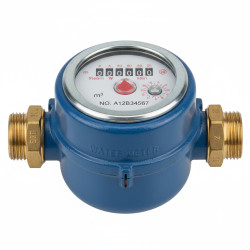
Identify the location of your main water shut-off valve, typically near your water meter or where the main line enters your home.
Step 7
Ensure all adult members of your household know how to quickly turn it off in case of a burst pipe or major leak.
Step 8
Test the valve annually by turning it partially off and on to ensure it operates smoothly and isn’t seized.
Step 9
Annually, drain a few liters of water from the bottom spigot of your water heater tank to flush out sediment buildup.
Step 10
This process improves heating efficiency, extends the unit’s lifespan, and prevents potential blockages.
Step 11
If your toilet runs continuously, open the tank lid and inspect the flapper valve at the bottom of the tank.
Step 12
Check if the flapper is worn, cracked, or misaligned. A faulty flapper is a common cause of running toilets and is usually simple to replace.
Step 13
Never pour cooking grease, coffee grounds, or large food scraps down kitchen drains, as they solidify and cause severe clogs.
Step 14
Avoid flushing non-biodegradable items like wet wipes, cotton balls, feminine hygiene products, or paper towels down toilets.
Common mistakes
- Ignoring small drips or slow drains, which can escalate into larger, more expensive problems like burst pipes or extensive water damage.
- Over-tightening pipe fittings, which can easily crack or strip threads, leading to leaks and requiring more significant repairs.
- Using excessive amounts of harsh chemical drain cleaners repeatedly, as they can corrode pipes, especially older ones, and harm the environment.
- Attempting complex plumbing repairs without proper knowledge, the right tools, or safety precautions, often causing more damage than the original problem.
When to call a professional
- If you have a burst pipe or experience significant, uncontrollable water leakage that your main shut-off valve cannot stop.
- When experiencing no hot water, intermittent hot water, or a constantly leaking water heater, especially if you see pooling water.
- For persistent low water pressure throughout your entire home, indicating a larger issue within the main water supply or pipes.
- If you encounter sewage backup from multiple drains or toilets, suggesting a main sewer line blockage.
- Any suspected gas line issue, such as a persistent smell of gas, or problems with gas-powered water heaters.
- When a clog cannot be cleared with a plunger or mild drain cleaner after multiple attempts, or if it recurs frequently.
- If you hear unexplained banging, gurgling, or whistling sounds coming from your pipes, indicating potential air pressure issues or loose pipes.
Want this done properly without the hassle?
Aap DIY try kar sakte hain, lekin agar time nahi ya confidence kam ho, to professional bula lena better hota hai. Galat step se damage ya safety issue ho sakta hai.