How to prevent common Ac Gas Refill R410 Inverter problems and when to call a pro
Want this done properly without the hassle?
Aap DIY try kar sakte hain, lekin agar time nahi ya confidence kam ho, to professional bula lena better hota hai. Galat step se damage ya safety issue ho sakta hai.
Quick answer (read this first)
- Regularly clean air filters to maintain airflow and efficiency.
- Keep the outdoor unit clear of any obstructions.
- Actively monitor for unusual sounds, smells, or reduced cooling.
- Schedule annual professional servicing for optimal performance.
Safety first
- Always turn off the AC power at the main breaker before performing any maintenance or inspection.
- Never attempt to open refrigerant lines or touch internal electrical components.
- Wear appropriate safety gear like gloves and eye protection when cleaning.
- Do not attempt to mix different types of refrigerant gas; this is highly dangerous.
Tools you may need
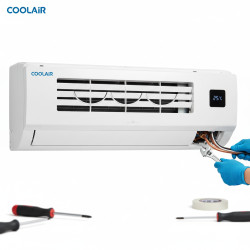
- Screwdriver (for filter panel access)
- Soft brush or vacuum cleaner attachment
- Mild detergent and water solution
- Soft, clean cloths or sponges
Step-by-step
Step 1
Turn off AC power: Always switch off your AC unit at the main electrical breaker before any cleaning or inspection begins.
Step 2
Clean or replace air filters: Remove and wash reusable filters with mild detergent and water, or replace disposable ones monthly, especially during peak usage.
Step 3
Clear obstructions around the outdoor unit: Ensure the outdoor condenser unit is free from leaves, grass clippings, dirt, and any other debris that can block airflow and reduce efficiency.
Step 4
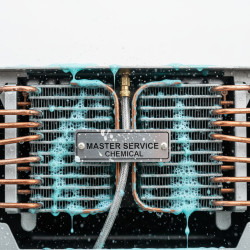
Gently clean condenser fins: Carefully brush off accumulated dirt and dust from the outdoor unit’s delicate metal fins using a soft brush or a gentle hose spray (ensure power remains off).
Step 5
Verify proper drainage: Inspect the condensate drain line for blockages and ensure water is draining freely from the indoor unit, preventing overflow and water damage.
Step 6
Listen for unusual sounds: Pay close attention to any new rattling, buzzing, hissing, or bubbling noises coming from either the indoor or outdoor unit, as these can indicate developing issues.
Step 7
Monitor cooling effectiveness: Observe if your AC struggles to reach the set temperature, takes longer than usual to cool, or runs constantly without providing adequate comfort.
Step 8
Check for ice formation: Periodically inspect the refrigerant lines and the indoor coil for any signs of ice buildup, which often indicates a problem with refrigerant levels or airflow.
Common mistakes
- Neglecting regular filter cleaning, which significantly impacts efficiency and air quality.
- Attempting DIY refrigerant top-ups or complex repairs without professional training and tools.
- Ignoring minor unusual sounds or a gradual decrease in cooling capacity, leading to bigger problems.
- Blocking indoor vents or the outdoor AC unit with furniture, plants, or other objects, restricting airflow.
- Not scheduling annual professional check-ups, which can catch issues before they become severe.
When to call a professional
- If you suspect a gas leak (indicated by a hissing sound, ice formation on lines, or a significant drop in cooling).
- When the AC is not cooling effectively despite clean filters and clear outdoor unit.
- If you hear loud, unfamiliar noises from the unit or experience frequent electrical tripping.
- For any required gas refilling or system re-charging, as this requires specialized equipment and expertise.
- If the outdoor unit is freezing up, emitting strange odors, or showing visible signs of damage.
- For complex diagnostic issues or repairs that go beyond basic preventative cleaning and observation.
Want this done properly without the hassle?
Aap DIY try kar sakte hain, lekin agar time nahi ya confidence kam ho, to professional bula lena better hota hai. Galat step se damage ya safety issue ho sakta hai.