DIY Automatic Tank Switch Troubleshooting: A Step-by-Step Guide
Want this done properly without the hassle?
Aap DIY try kar sakte hain, lekin agar time nahi ya confidence kam ho, to professional bula lena better hota hai. Galat step se damage ya safety issue ho sakta hai.
Starting from
Rs. 800
Quick answer (read this first)
- Always turn off power before inspection.
- Visually check ATS and pump for damage.
- Inspect float sensors for obstructions.
- Verify secure wiring connections.
- Ensure sufficient water in the tank.
- Call a professional for electrical issues or if unsure.
Safety first
- Always turn off the main power supply to both the Automatic Tank Switch (ATS) and the water pump at the circuit breaker before attempting any inspection or repair.
- Never touch exposed wires or attempt electrical repairs if you are not qualified or unsure about the process.
- Use only insulated tools for any work involving electrical components.
- Wear protective gloves and eyewear to prevent injuries.
- Do not bypass safety features of the ATS or pump unless following explicit manufacturer guidelines under professional supervision.
- If you encounter burning smells, smoke, or frayed wires, stop immediately and call a professional.
Tools you may need
- Screwdriver set (Phillips and flathead)
- Flashlight
- Protective gloves
- Safety eyewear
- Multimeter (for professional use or if confidently trained for specific checks after safety precautions)
Step-by-step
Step 1
- Prioritize Safety - Turn Off Power: Locate the main circuit breaker for your water pump and ATS. Switch off the power completely before touching any component. Confirm power is off using a non-contact voltage tester if available.
Step 2
- Perform a Visual Inspection: Carefully examine the ATS unit, its wiring, and the water pump for any obvious signs of damage, burn marks, loose components, or corrosion. Check for any visible leaks around the pump or pipes.
Step 3
- Check Water Tank Levels: Ensure your water tank has an adequate water supply. An empty tank can prevent the ATS from triggering the pump. If the tank is low, investigate why it’s not filling.
Step 4
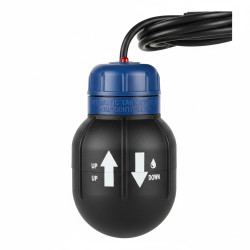
- Inspect Float Switches/Sensors: If your ATS uses float switches inside the tank, verify they are moving freely and are not stuck, tangled, or obstructed by debris. Gently move them up and down to check their range of motion.
Step 5
- Examine Wiring Connections (Power Off): With the power still off, gently tug on all wires connected to the ATS unit and the water pump. Ensure all terminals are securely fastened and wires are not loose, corroded, or disconnected.
Step 6
- Check for Clogs or Obstructions: If safe and accessible, inspect the pump’s inlet strainer or any filters in the water line for clogs from dirt, sediment, or debris. Clear any blockages found.
Step 7
- Test Pump Manually (if applicable): If your water pump has a separate manual override switch (and only after ensuring power to the ATS is OFF), briefly turn the pump on manually to determine if the pump itself is functioning. This helps isolate if the issue is with the pump or the ATS.
Step 8
- Reset Circuit Breaker (After Inspection): Once all physical and visual checks are complete and you’ve rectified any simple issues, turn the main power supply back on at the circuit breaker. Observe the ATS and pump for normal operation.
Common mistakes
- Forgetting to turn off the main power supply before inspection or repair, risking electric shock.
- Ignoring issues with float switches or water levels, which are common causes of ATS malfunction.
- Assuming the pump is faulty without properly troubleshooting the ATS first.
- Attempting complex electrical wiring or internal ATS repairs without proper knowledge or tools.
- Not checking for simple mechanical issues like clogs or loose connections first.
- Proceeding with troubleshooting if you feel uncomfortable or uncertain about any step.
When to call a professional
- If you detect burning smells, smoke, or see any exposed, frayed, or severely damaged wiring.
- If you’ve completed all basic troubleshooting steps and the ATS or pump still isn’t functioning correctly.
- If you need to perform electrical testing with a multimeter and are not confident in your ability to do so safely.
- If the pump runs continuously, short-cycles, or never turns on despite water being available and float switches working.
- For any complex internal component failures of the ATS or significant plumbing leaks.
- If you are uncomfortable or unsure at any point during the troubleshooting process, it’s always safer to call a qualified professional.
Want this done properly without the hassle?
Aap DIY try kar sakte hain, lekin agar time nahi ya confidence kam ho, to professional bula lena better hota hai. Galat step se damage ya safety issue ho sakta hai.
Starting from
Rs. 800
100% Money Back Guarantee
If you are not satisfied with the service