How to Prevent Common Balcony Drain Opening Problems
Want this done properly without the hassle?
Aap DIY try kar sakte hain, lekin agar time nahi ya confidence kam ho, to professional bula lena better hota hai. Galat step se damage ya safety issue ho sakta hai.
Quick answer (read this first)
- Regularly clear leaves and debris from the drain opening.
- Flush the drain with hot water and dish soap monthly.
- Use a strainer or mesh cover to catch larger particles and prevent clogs.
Safety first
- Always wear protective gloves and eye protection when working with drains.
- Avoid mixing different cleaning chemicals, as this can produce dangerous fumes.
- Ensure the area is well-ventilated if using any chemical cleaners.
- Be extremely cautious when working at heights or reaching over balcony edges; secure yourself or avoid dangerous positions.
- Never use boiling water, as it can damage PVC pipes.
Tools you may need
- Protective gloves
- Safety glasses
- Bucket
- Stiff brush or old toothbrush
- Pliers or tweezers
- Small drain snake or straightened wire hanger (with a hook)
- Hot water and dish soap
- Flashlight (optional)
- Fine mesh strainer or drain cover
Step-by-step
Step 1
Remove Surface Debris: Begin by manually clearing any visible leaves, dirt, plastic bags, or other objects from around and on top of the drain opening. Place collected debris into a bucket.
Step 2
Clean the Drain Grate or Strainer: If your balcony drain has a removable grate or strainer, lift it off. Scrub it thoroughly with a stiff brush and water to remove any stuck-on grime, hair, or moss, then set it aside.
Step 3
Flush with Hot Soapy Water: Pour a bucket of hot (not boiling) water mixed with a few drops of liquid dish soap down the drain. This helps to break down grease and minor organic build-up.
Step 4
Manually Clear Shallow Clogs: Using gloved hands, pliers, or tweezers, carefully reach into the drain opening to pull out any hair, mud, or other debris that might be just below the surface. Be gentle to avoid pushing the blockage deeper.
Step 5
Address Deeper Blockages with a Drain Snake: If water is still draining slowly, gently insert a small drain snake or a straightened wire hanger (with a small hook bent at the end) into the drain. Rotate and push it carefully to dislodge any deeper clogs, then pull it out slowly.
Step 6
Test Drainage Thoroughly: Once you believe the clog is cleared, pour a fresh bucket of plain water down the drain. Observe if the water flows freely and quickly without backing up. Repeat flushing if necessary.
Step 7
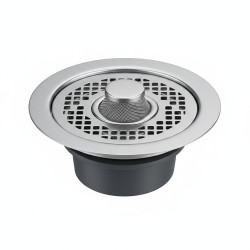
Install Preventative Measures: After cleaning, replace the cleaned grate or install a new fine mesh strainer or drain cover over the opening. This will prevent future large debris from entering the drain.
Step 8
Regular Balcony Sweeping: Make it a routine to sweep your balcony regularly, especially after heavy winds or rain, to keep leaves, dust, and other debris away from the drain opening.
Common mistakes
- Ignoring slow drainage until it becomes a complete blockage, making it harder to clear.
- Pouring oil, grease, or paint down the balcony drain, which solidifies and causes stubborn clogs.
- Using excessively harsh or inappropriate chemical drain cleaners that can damage pipes or harm the environment.
- Not cleaning the drain regularly, especially after rain, strong winds, or during autumn.
- Attempting to force large objects through the drain opening, potentially causing pipe damage or worsening the blockage.
- Disregarding proper safety precautions, especially when working near edges or using tools.
When to call a professional
- If the drain remains completely blocked and water is not receding despite your efforts, indicating a severe obstruction.
- If water consistently backs up or overflows onto your balcony, suggesting a major blockage in the main drainage line.
- If you notice persistent foul odors emanating from the drain that won’t go away, which could signal sewer line issues or a significant organic build-up.
- If you suspect a pipe is broken, cracked, or there is structural damage around the drain opening.
- If you are uncomfortable performing any of the DIY steps, especially those involving tools, working at heights, or dealing with potentially hazardous clogs.
Want this done properly without the hassle?
Aap DIY try kar sakte hain, lekin agar time nahi ya confidence kam ho, to professional bula lena better hota hai. Galat step se damage ya safety issue ho sakta hai.