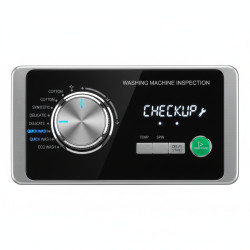
How to do a basic Washing Machine Inspection safety check and quick fixes
Want this done properly without the hassle?
Aap DIY try kar sakte hain, lekin agar time nahi ya confidence kam ho, to professional bula lena better hota hai. Galat step se damage ya safety issue ho sakta hai.
Quick answer (read this first)
- Always unplug the machine before starting any inspection or repair.
- Check all hoses for secure connections, kinks, or leaks.
- Regularly clean the lint filter to ensure proper drainage.
- Ensure the machine is perfectly level to minimize vibrations.
- Inspect the power cord for any signs of damage or fraying.
Safety first
- Always disconnect the washing machine from the main power supply before touching any internal or external components.
- Never attempt to inspect or repair electrical parts with wet hands or if the surrounding area is damp.
- Avoid undertaking complex electrical repairs; always defer to a qualified professional for such issues.
- Confirm that your washing machine’s electrical connection is properly grounded to prevent electric shock hazards.
- Keep children and pets away from the appliance during any inspection, cleaning, or repair activities.
Tools you may need
- Screwdriver set (Phillips and flathead)
- Pliers
- Flashlight
- Bucket and towels
- Spirit level
- Wire brush (for cleaning)
Step-by-step
Step 1
Disconnect Power & Position: Unplug the washing machine from its power source. Gently pull it away from the wall to allow for easier access to the rear and sides.
Step 2
Inspect Power Cord & Plug: Carefully examine the entire power cord for any cuts, fraying, or exposed wires. Ensure the electrical plug is intact and undamaged.
Step 3
Check Water Hoses: Inspect both the water inlet (supply) and outlet (drain) hoses for any kinks, cracks, leaks, or signs of wear. Hand-tighten any loose connections; use pliers gently if needed.
Step 4
Clean Lint Filter: Locate and remove the lint filter (often at the bottom front or inside the drum). Clean it thoroughly under running water to remove lint and debris, then reinsert it securely.
Step 5
Verify Machine Leveling: Place a spirit level on top of the machine to check if it’s balanced. Adjust the leveling feet underneath the machine as required to prevent excessive vibration during cycles.
Step 6
Examine Detergent Dispenser: Clean out any accumulated detergent residue, fabric softener build-up, or mold from the dispenser drawer using a damp cloth or a small brush.
Step 7
Inspect Drum & Door Seal: Look inside the drum for any foreign objects. Check the rubber door gasket (seal) for debris, mold, tears, or signs of damage, and wipe it clean.
Step 8
Perform a Test Run: Plug the machine back into power. Run a short, empty cycle to observe for unusual noises, excessive vibrations, or any immediate water leaks.
Common mistakes
- Forgetting to unplug the washing machine before performing any inspection, cleaning, or maintenance.
- Over-tightening hose connections, which can strip threads or damage seals, leading to future leaks.
- Ignoring minor leaks, which can quickly escalate into significant water damage or operational failures.
- Neglecting to clean the lint filter, leading to drainage issues, reduced washing efficiency, and potential overheating.
- Attempting complex electrical repairs without proper knowledge, tools, or safety precautions.
When to call a professional
- If you observe sparks, smoke, or detect a burning smell emanating from the washing machine.
- If the machine consistently fails to drain or fill with water properly, even after checking hoses and filters.
- For persistent excessive vibration, loud banging, grinding, or screeching noises during operation.
- If any issues involve internal electrical components, wiring, the motor, or the control panel.
- If water leakage continues or is significant after performing all basic inspections and quick fixes.
- If the washing machine completely fails to power on, start a cycle, or respond to controls.
Want this done properly without the hassle?
Aap DIY try kar sakte hain, lekin agar time nahi ya confidence kam ho, to professional bula lena better hota hai. Galat step se damage ya safety issue ho sakta hai.