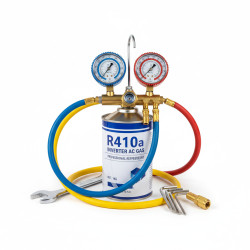
How to do a basic Ac Gas Refill R22 safety check and quick fixes
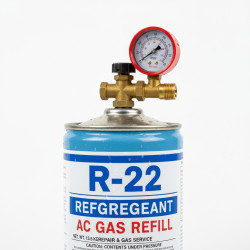
Want this done properly without the hassle?
Aap DIY try kar sakte hain, lekin agar time nahi ya confidence kam ho, to professional bula lena better hota hai. Galat step se damage ya safety issue ho sakta hai.
Quick answer (read this first)
- Always turn off the AC power before any inspection.
- Check for ice on indoor coils and unusual operating noises.
- Regularly clean air filters and clear debris from outdoor condenser coils.
- Look for oily residue or persistent hissing sounds as potential signs of a refrigerant leak.
- If cooling remains poor after basic cleaning, or a leak is suspected, professional help is needed.
Safety first
- CRITICAL: Always switch off your AC unit at the main circuit breaker before starting any inspection, cleaning, or maintenance.
- NEVER attempt to handle R22 refrigerant gas yourself. It is a hazardous chemical requiring specialized tools, training, and licensing for safe handling and disposal.
- Wear appropriate safety gear, including gloves and eye protection, to guard against sharp edges, dirt, and chemical exposure.
- Exercise extreme caution around moving fan blades and electrical components to prevent injury.
- Do not open sealed refrigerant lines, compressor units, or electrical panels unless you are a qualified and certified technician. Serious injury or equipment damage can occur.
Tools you may need
- Screwdriver set (Philips and flathead)
- Soft brush or cloth for cleaning
- Flashlight for inspecting dark areas
- Work gloves and safety glasses
- Garden hose with a spray nozzle (for condenser cleaning)
Step-by-step
Step 1
Step 1: Disconnect Power - Locate your AC unit’s main circuit breaker in your home’s electrical panel and switch it off completely. Verify the unit is without power.
Step 2
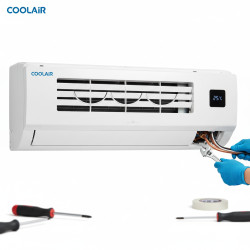
Step 2: Inspect Indoor Unit & Filters - Open the indoor unit (blower unit) access panel. Check the air filter for dirt and debris; clean or replace it if clogged. Look for any ice formation on the evaporator coils.
Step 3
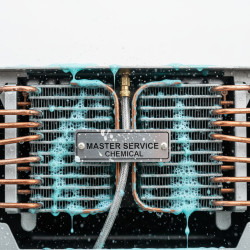
Step 3: Clean Outdoor Condenser Unit - Clear away any leaves, grass, dirt, or other obstructions from around the outdoor unit. Gently clean the condenser coils using a soft brush or a light spray from a garden hose. Ensure fins are not bent.
Step 4
Step 4: Check for Refrigerant Leak Signs - Carefully examine the pipe connections and fittings on the outdoor unit for any oily residue, which indicates a leak. Listen for any persistent hissing or bubbling sounds when the unit is off, as this can also signal a leak.
Step 5
Step 5: Examine Condensate Drain Line - Locate the condensate drain pipe (usually a PVC pipe exiting the indoor unit). Ensure it is clear and free from clogs, as blockages can cause water leaks and humidity issues.
Step 6
Step 6: Restore Power & Monitor - Switch the AC unit’s circuit breaker back on. Turn on the AC and set it to a low temperature. Listen for unusual noises and observe if cooling performance has improved after your basic checks and cleaning.
Common mistakes
- Attempting to top up or refill R22 refrigerant gas without proper professional training, tools, and certification. This is highly dangerous and illegal due to environmental and safety regulations.
- Neglecting regular cleaning of air filters and outdoor condenser coils, which significantly reduces efficiency and can mimic gas-related issues.
- Failing to turn off the main power supply to the AC unit before any inspection or cleaning, leading to electrical shock hazards.
- Misinterpreting symptoms like dirty coils or clogged filters as a severe refrigerant leak, leading to unnecessary professional call-outs.
- Ignoring unusual noises or persistent operational problems, which can escalate minor issues into major, costly repairs.
- Touching electrical components or opening sealed units without proper knowledge and safety precautions.
When to call a professional
- If the AC unit still does not cool effectively after you have performed all basic checks and cleaning steps.
- You observe persistent ice formation on either the indoor evaporator coils or the outdoor unit’s lines, which often indicates low refrigerant.
- You definitively suspect an R22 refrigerant leak due to visible oily residue, a distinct hissing sound, or a sudden drop in cooling capacity.
- The compressor is running, but the air coming from the vents is not cold, suggesting a deeper mechanical or refrigerant issue.
- You encounter any electrical issues, notice burning smells, hear loud grinding or banging noises, or cannot identify the source of the problem.
- If you require an R22 gas refill or recharge. This service requires certified technicians with specialized equipment due to the nature of R22 refrigerant.
Want this done properly without the hassle?
Aap DIY try kar sakte hain, lekin agar time nahi ya confidence kam ho, to professional bula lena better hota hai. Galat step se damage ya safety issue ho sakta hai.